
Essaouira Travel Guide: Ramparts, Port & Beaches
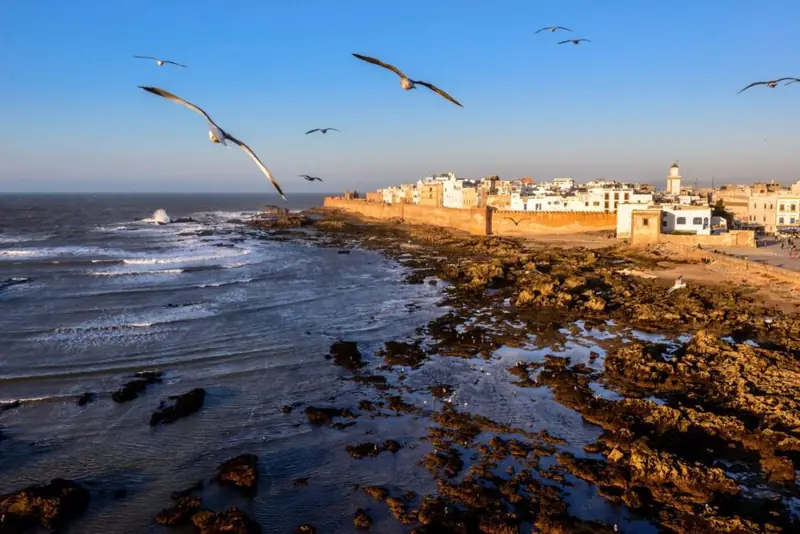
Essaouira, once known as Mogador, is a laid-back Atlantic port with white and blue houses, wide beaches and a UNESCO-listed medina. Built in the 18th century as a fortified trading town, it blends European planning with Moroccan craftsmanship. It is cooler and calmer than Marrakech, and its constant wind makes it a favourite for kitesurfers.
At a glance
- Former name
- Mogador
- UNESCO
- Medina listed in 2001
- Famous for
- Gnawa music, seafood, thuya wood
- Allow
- 1 to 2 days
- From Marrakech
- About 2.5 to 3 hours
In this guide
The medina and ramparts
The medina was designed in the late 18th century under Sultan Mohammed III, with a regular grid of streets, blue shutters and white houses, unusual for Morocco. Climb the Skala de la Ville, the sea bastion lined with old cannons, for views of the ocean and the islands offshore. Orson Welles filmed scenes of Othello here, and the ramparts also feature in modern productions.
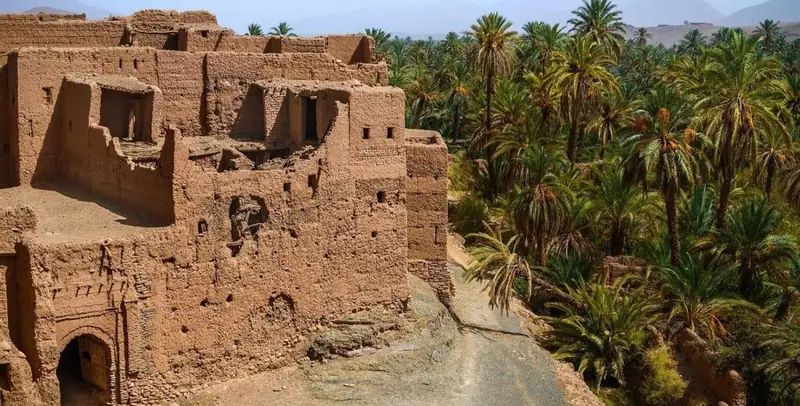
The fishing port
Blue wooden boats, nets and seagulls fill the harbour. Fishmongers sell the daily catch, and you can pick fish and have it grilled on the spot at the stalls beside the port. The Skala du Port, the fortified harbour wall, is a good place for photographs.
Gnawa music and festivals
Essaouira is the capital of Gnawa music, and the annual Gnawa and World Music Festival in June draws thousands of visitors. Outside the festival, musicians play in cafes and shops year-round. Read more in our culture guide and festivals guide.
Crafts and argan oil
Essaouira is known for thuya wood marquetry, made from the roots of the thuya tree, and for argan oil cooperatives in the surrounding countryside. Visit workshops to see craftspeople at work, and compare prices before you buy. See our souk shopping guide.
Beaches and watersports
The wide town beach is good for walks, horse riding and camel rides. Strong trade winds make Essaouira and nearby Sidi Kaouki and Moulay Bouzerktoun top spots for windsurfing and kitesurfing. The sea is cool, and the wind can make sunbathing uncomfortable in summer afternoons.
Getting there
Buses run frequently from Marrakech (about 2.5 to 3 hours) and from Agadir (about 2.5 hours). A few flights serve the small airport. Many travellers visit as a day trip from Marrakech, but staying one or two nights lets you enjoy sunset on the walls and quiet mornings.
Tips
- Bring a windproof jacket, even in summer.
- Seafood is best at the port and at lunch time, when it is freshest.
- The medina is compact, so walking is the best way to explore.
A one-day plan
Arrive in the morning, walk the medina and the Skala, then have a seafood lunch at the port. In the afternoon, stroll along the beach or visit a thuya workshop, and end with sunset on the ramparts and a Gnawa performance in a cafe.
Where to stay
Riads in the medina are small and charming, and many have rooftop terraces with sea views. Seafront hotels and kitesurf lodges are available outside the walls.
Frequently asked questions
Is Essaouira worth visiting?
Yes. It is one of the most relaxed and photogenic coastal towns in Morocco, with seafood, music and a walkable medina.
How far is Essaouira from Marrakech?
About 175 km, or roughly 2.5 to 3 hours by bus or car.
When is the Gnawa festival in Essaouira?
The Gnawa and World Music Festival is usually held in June. Check the current dates before booking, as accommodation fills quickly.