
Moroccan Culture: Traditions, Music, Crafts & Etiquette
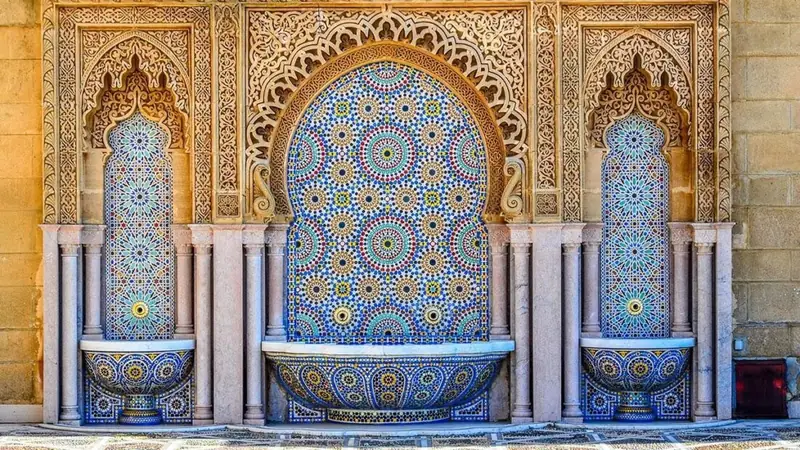
Moroccan culture is a blend of Amazigh, Arab, Andalusian, African and European influences. It shows in the food, the music, the architecture and, above all, in the famous Moroccan hospitality. Knowing a little about local customs helps you connect with people and avoid awkward moments.
At a glance
- Cultural roots
- Amazigh, Arab, Andalusian, African
- Greeting
- Salam alaykum; handshake, hand on heart
- Weekly rest day
- Friday (communal prayers)
- UNESCO-recognised traditions
- Jemaa el-Fna, argan, couscous, Gnawa
In this guide
Hospitality and everyday life
Hospitality is a core value. Guests are offered mint tea, usually several glasses, and refusing everything can feel impolite. Family is central, and many shops and restaurants are family-run. Social life moves to the evening in summer, when squares and cafes fill up after sunset.
Language and identity
Arabic and Amazigh are the official languages, and Moroccans often switch between Darija, Amazigh dialects and French in a single conversation. The Amazigh identity has received growing official recognition, and in 2024 Amazigh New Year (Yennayer) became a public holiday.
Music and festivals
Morocco's music ranges from Andalusian classical orchestras and Amazigh Ahidus and Ahwash circle dances to Gnawa, the trance-like music of descendants of sub-Saharan Africans, best experienced at the Gnawa festival in Essaouira. Chaabi (popular music) fills weddings and cafes. Our festivals guide lists the main events.
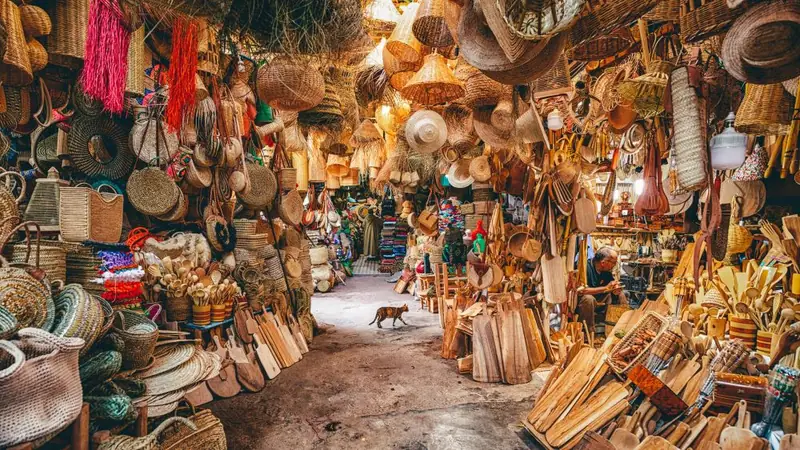
Crafts and traditional dress
- Zellige: hand-cut glazed tile mosaics, a speciality of Fes.
- Leather: babouche slippers, bags and the dyeing tanneries of Fes.
- Carpets and textiles: woven in the Atlas, with patterns specific to each tribe.
- Argan oil: produced by cooperatives around Essaouira and Agadir.
- Clothing: the djellaba is the everyday hooded robe, the kaftan is worn on special occasions, and many men wear the traditional felt tarboosh or a turban in the desert.
See our souk shopping guide for what to buy and how to bargain.
Etiquette for visitors
- Dress modestly, especially outside big tourist cities: cover shoulders and knees.
- Use your right hand for eating and passing things.
- Ask permission before photographing people, and expect a polite refusal sometimes.
- During Ramadan, avoid eating, drinking or smoking in public during daylight hours.
- Greet shopkeepers and hosts first; the greeting matters as much as the transaction.
- Public displays of affection are frowned upon.
More practical advice is in our Morocco travel tips.
Frequently asked questions
What should I wear in Morocco?
Loose, lightweight clothes that cover shoulders and knees are respectful and practical. Beach resorts and riad pools are more relaxed, but modest clothing is recommended in medinas and rural areas.
Is it rude to refuse mint tea?
A polite refusal is acceptable, but accepting at least one glass is considered a gesture of respect and friendship.
What is Gnawa music?
Gnawa is a spiritual music tradition with African roots, played with the deep guembri lute and metal castanets. It is recognised by UNESCO and celebrated in Essaouira every year.