Getting Around Morocco: Choose the Transport That Fits Your Route
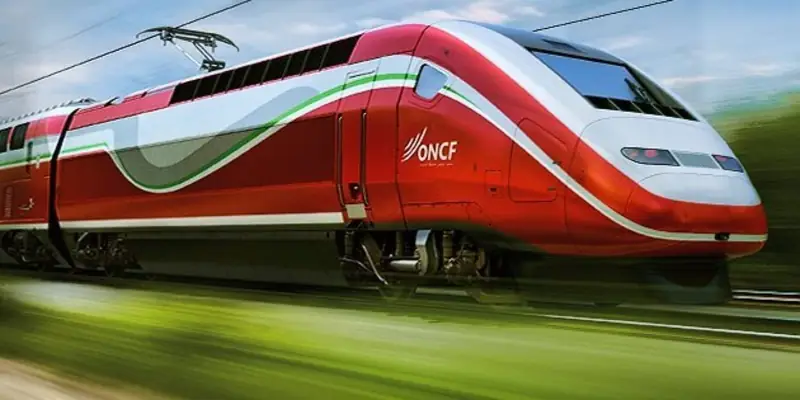
For getting around Morocco, use trains along the main rail corridors, coaches for destinations beyond them, and taxis or walking for the final stretch. A rental car or private driver is useful for a route with several rural stops, not automatically for a city break. Compare door-to-door time rather than the fastest advertised segment.
ONCF links cities including Tangier, Rabat, Casablanca, Marrakech, Meknes and Fes; Al Boraq serves the Tangier–Casablanca corridor. Essaouira, Chefchaouen and Agadir need a road connection rather than a direct passenger train. Check your exact date, station and ticket conditions with the operator. Leave slack before flights, and never assume two separately bought tickets form a protected connection.
Start with the final address. Ask your accommodation for the nearest vehicle-accessible meeting point and the remaining walk. A station name, medina gate and riad address can describe three different places; save the actual destination offline before travelling.
At a glance
- Rail booking
- oncf-voyages.ma
- Coach searches
- ctm.ma and supratours.ma
- City taxis
- Petit taxi; confirm fare basis
- Between towns
- Coach, train or grand taxi
- Driving
- On the right; documents required
- Connections
- Allow substantial buffer time
In this guide
- Which Transport Should You Use?
- Trains: Use the Network, Not an Outdated Route Map
- Coaches: Go Beyond the Railway with a Clear Station Plan
- Petit and Grand Taxis: Establish What You Are Paying For
- Within Cities: Walking, Trams and the Last Kilometre
- Flights, Airports and Ferries: Count More Than the Crossing
- Rental Car or Private Driver: Where the Freedom Helps
- Road Conditions: Avoid Turning a Transfer into an Endurance Test
- Tickets, Payments and Connections: Make the Plan Resilient
- Children, Accessibility and a Comfortable Travel Day
Which Transport Should You Use?
Build the itinerary around corridors, not a list of places that merely look close on a map. Rail is a useful first comparison between major northern and central cities. For a coastal town without rail or a mountain valley, compare coaches and the final road transfer.
The table is a decision aid, not a ranking of safety or a promise that every route has every mode. Compare the total cost for your party, station transfers, bags and the arrival hour.
| Mode | Useful for | Check first |
|---|---|---|
| Train | Rail corridors | Station / changes |
| Coach | Beyond rail | Exact agency |
| Grand taxi | Local links | Seat / departure |
| Car / driver | Rural stops | Cover / route |
| Flight | Long distances | Whole journey |
Trains: Use the Network, Not an Outdated Route Map
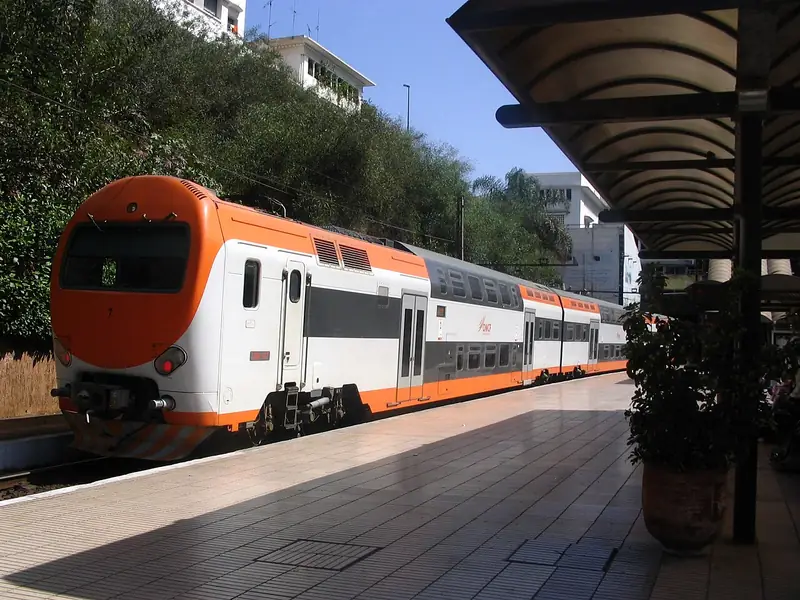
ONCF operates conventional intercity services and Al Boraq high-speed trains on the Tangier, Kenitra, Rabat and Casablanca corridor. Marrakech, Fes and Meknes are on the wider rail network, not automatically a direct high-speed ride from every city. Check whether the result involves a change and which station handles it. Future expansion announcements are not proof that a new service is operating on your travel date.
Search on oncf-voyages.ma, the ONCF VOYAGES app or at a station. Read the selected train, date, class and any seat assignment, then retain the issued ticket. Our Morocco train guide explains the rail-focused checks in more detail.
Coaches: Go Beyond the Railway with a Clear Station Plan
CTM and Supratours are useful starting points for intercity coach searches. Supratours belongs to the ONCF group and offers some combined rail-and-coach journeys, but not every coach departure is a train connection. Ask what the booking covers and what happens after a delay; independently bought rail and bus tickets should not be treated as a protected through journey.
Use ctm.ma or supratours.ma for the dated result and confirm the exact departure agency. A company terminal may differ from the main gare routière, and cities can have several branches. Supratours requires hold bags to be registered and tagged, with a supplement per piece; check current amounts and CTM’s separate rules. Keep essentials in your cabin bag and retain the luggage receipt. See the Morocco bus guide for booking and baggage detail.
Petit and Grand Taxis: Establish What You Are Paying For
Petit taxis are primarily for trips within a city, with colours and operating practices varying locally. Ask for the meter where applicable; if an official fixed fare applies, establish the posted amount before boarding. If no clear legal fare basis is offered, find another licensed taxi or arrange transport through your host. Carry small cash and confirm that the price is for the whole journey, not each passenger.
Grand taxis connect towns or serve fixed local routes, often leaving when enough seats are filled. Confirm departure rank, destination, price per seat, luggage and whether a change is needed. Hiring the whole vehicle is a different agreement from buying one seat. Neither a shared taxi nor an app estimate is a guaranteed timetable. For remote arrivals, arrange a specific return rather than assuming another vehicle will appear when you finish.
- Fare: meter, posted official tariff or a clearly agreed lawful total before departure.
- Seats: confirm per-person or whole-car pricing and usable space for bags.
- Safety: use licensed transport, look for working seat belts and decline a journey if the arrangement feels unsafe.
Within Cities: Walking, Trams and the Last Kilometre
Medinas reward walking, but narrow lanes, uneven surfaces, crowds and occasional vehicles make a wheeled suitcase or stroller awkward. Ask which gate or street a car can reach, then use the host’s directions for the final walk. Download the map and accommodation contact; a postal pin inside the old city is not necessarily a usable pickup point. Agree any porter service and fee before handing over luggage.
Casablanca and the Rabat–Salé area have tram networks; local buses and other urban services vary by city. Check the operator’s current map, ticket validity and validation instructions, rather than assuming a rail ticket transfers to city transport. Ride-hailing coverage, licensing and airport pickup rules can change; an app booking alone does not prove that a vehicle is licensed or insured for the service.
Flights, Airports and Ferries: Count More Than the Crossing
A domestic flight is worth comparing for a long journey when its actual date, route and baggage allowance fit your plan. Check whether it is nonstop or changes at a hub; a short-looking line on a map can involve a long connection. Compare total price after bags, seat choices and airport transfers.
For an international arrival, allow immigration, luggage and the trip into town before any onward departure. Casablanca’s airport has a rail connection, but the appropriate train, city station and operating hours need a dated check. For ferries, Tangier Ville and Tanger Med are different ports; the ticketed port determines the transfer. Confirm sailing, check-in and border instructions with the ferry company. Wind, delays or an arrival queue can undo a tightly planned onward connection.
Do not mix up terminals. Save the full airport, station or port name from your actual booking. "Casablanca station" and "Tangier port" are not precise enough for an independent connection.
Rental Car or Private Driver: Where the Freedom Helps
A car can help with rural stops, valleys and a one-way route through the south. For a trip spent mostly in large cities it adds parking, traffic and a vehicle you may barely use. Compare hiring only for the road section with keeping it all week. A private driver removes the driving task but still needs a written route, daily distance, waiting time, overnight arrangements and total price.
Drive on the right. Before paying, check requirements for your nationality and licence, any international driving permit, minimum age, deposit card and insurance. Carry documents and record existing damage. Ask about excess, tyres, glass, unpaved roads and one-way charges. A normal rental agreement is not permission to take a desert track; an advertised SUV does not replace route knowledge, recovery planning or appropriate cover.
| Cost item | Confirm | Keep |
|---|---|---|
| Vehicle | Total / deposit | Contract |
| Fuel / tolls | Who pays | Receipts |
| Driver | Wait / overnight | Written quote |
| Insurance | Excess / limits | Terms |
Road Conditions: Avoid Turning a Transfer into an Endurance Test
Mountain roads, traffic, weather and roadworks make map estimates unreliable as promises. Plan unfamiliar rural driving in daylight and leave room for rest and slower sections. Never drive through floodwater or ignore a road closure. Check current mountain access after heavy rain or snow; a sunny start in Marrakech says little about a pass several hours away. Follow local authority instructions rather than an old online itinerary.
For a desert journey, distinguish reaching a town from reaching the camp or dunes. Confirm the final meeting point, road or track transfer and who holds your luggage. A driver is not automatically a trekking guide, and a guided activity still needs suitable insurance. Our Sahara tour guide helps compare the trip types. Avoid promising yourself a remote outing and a flight from another city the same evening.
An arrival time is not a flight guarantee. Allow substantial slack between independent tickets or travel the day before. Weather, traffic, bags and a station change can consume the apparent gap.
Tickets, Payments and Connections: Make the Plan Resilient
Search directly with operators for the travel date and passenger details. If a foreign card fails, check whether a ticket was issued or payment is pending before trying again; an official counter or authorised seller is a fallback. Book important journeys ahead around weekends, school holidays and Eid without assuming a universal sales window. Save tickets, references and fare conditions offline, not just the bank notification.
Review exact station, direction and local clock time, especially for a departure just after midnight or a seasonal clock adjustment. For independent connections, allow enough time to get off, collect bags, change stations and complete the next operator’s check-in. There is no single buffer that makes every route safe. Before an essential flight, reaching its departure city the previous day can be wiser than trusting the last possible train or overnight coach.
- Before paying: date, names, route, departure branch, bags and change conditions.
- If plans change: contact the seller before departure when possible; a message sent is not an approved exchange.
- If stranded: use official staff and keep reference numbers and receipts before buying an alternative.
Children, Accessibility and a Comfortable Travel Day
Ask about assistance before buying: step-free station access, platform gaps, vehicle steps, toilets, wheelchair storage and any transfer requiring a separate vehicle. Do not assume one accessible station makes the whole itinerary accessible. Share the dimensions and handling needs of a mobility aid and confirm assistance with each operator.
For children, check the specific operator’s age rules, seat requirements and child-seat availability rather than applying one company’s policy everywhere. Bring water, manageable snacks, medication and layers, keeping valuables with you. For a lower-commitment excursion from Marrakech, our day-trip comparison helps choose without overloading the route.
- Cash: small Moroccan dirham (MAD) notes help with taxis and legitimate extras. Tips are voluntary, separate from agreed fares; card acceptance varies.
- Phone: authorised Maroc Telecom or Orange shops generally need your passport for a local SIM. Download tickets and host/driver contacts anyway.
- Courtesy: Salam alaikum greets, Shukran thanks, La shukran politely declines. Keep calls quiet, aisles clear and ask before photographing people.
- Clothes: breathable, reasonably covering clothing works for village stops; add a warm layer for air conditioning and a windproof layer when the route needs one.
Compare the whole journey price. Prices may vary; always check them on site. Get a dated MAD total including transfers and bags, then use a current euro or US-dollar conversion when paying. No universal taxi, coach or rental tariff is assumed here.
Frequently asked questions
What is the best way to get around Morocco without a car?
Use trains on the main rail corridors and coaches beyond them, with licensed taxis or walking for the final stretch. Check exact stations and avoid tight independent connections.
Does Al Boraq go directly to every major city?
No. It serves the Tangier–Casablanca corridor; the wider ONCF network includes conventional services and journeys with changes. Use the dated operator search, not expansion announcements.
Do I need to rent a car in Morocco?
Not usually for a city-focused route served by trains and coaches. It is more useful for rural stops, but compare parking, insurance, licence requirements and a private driver first.
Are CTM and Supratours at the main bus station?
Not always. Read the precise agency or terminal on the ticket; there may be several branches. Confirm its map location and your arrival stop before arranging transfers.
Can I rely on an app or a short connection?
An app does not guarantee licensed service, availability or timing. Leave substantial time between separately bought journeys, and consider arriving the previous day for an essential flight.