Best Time to Visit Morocco: Choose Your Route Before Your Month
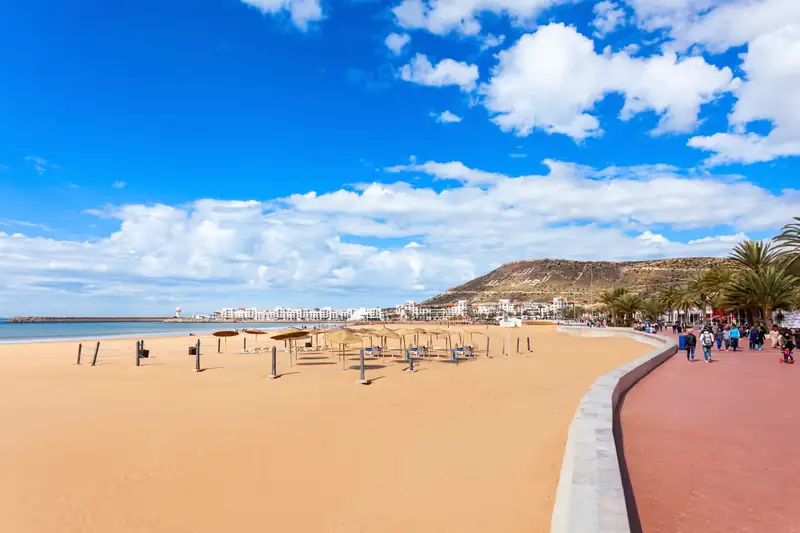
For a first trip combining Moroccan cities and the Sahara, April or October is a useful starting point, not a promise of perfect weather. Spring and autumn usually make inland sightseeing easier; summer often suits the coast better, while winter can work well for cities if you prepare for rain and cold nights. A beach afternoon in Agadir tells you little about a snowy Atlas pass.
The best time to visit Morocco depends on your route, activities and tolerance for heat, wind or cold. Choose the places you most want to see, then check seasonal trade-offs, school holidays and Ramadan before booking. Keep outdoor plans flexible: no month guarantees full pools, safe mountain trails, warm ocean water or an empty medina.
Check the least forgiving stop first. A desert overnight, high mountain route or essential beach day should shape the dates. Compare daytime conditions and nights for every stop, and leave a fallback if weather makes an excursion unsuitable.
At a glance
- Mixed first trip
- Spring or autumn
- Useful starting months
- April and October
- Inland summer
- Very hot; change the day’s rhythm
- Sahara
- Often October–April; cold nights
- High Atlas
- Altitude and snow decide
- Coast
- Milder, but wind and fog vary
In this guide
- Which Season Fits Your Priorities?
- Spring and Autumn: Best All-Round, Not Risk-Free
- Summer: Move Towards the Coast and Slow Down
- Winter: Good City Days, Cold Rooms and Shorter Light
- Morocco Month by Month: What Changes?
- When to Visit the Sahara and Cross the Atlas
- Cities, Atlantic Coast or Northern Morocco?
- Ramadan, Eid and Festivals: Check the Actual Year
- When Is Morocco Cheapest, and What Should You Book?
- Packing and a Practical Weather-Check Routine
Which Season Fits Your Priorities?
Start with what you least want to compromise. Cities and dunes need different dates from a beach holiday or summit attempt. April and October offer compromises, but March can retain mountain snow, May can be hot in the southeast and early September can still feel summery inland.
There is no nationwide cheap, quiet season. When inland afternoons become uncomfortable, domestic holidaymakers fill coastal towns. A quieter northern winter may bring rain, while Christmas and New Year raise demand in Marrakech. Choose the inconvenience you can accept.
| Season | Good starting point | Watch for |
|---|---|---|
| Spring | Cities and mixed trips | Snow higher up |
| Summer | Atlantic coast | Heat and crowds |
| Autumn | Cities and dunes | Early heat, rain |
| Winter | Urban stays | Cold and snow |
Spring and Autumn: Best All-Round, Not Risk-Free
March to May and late September into November often suit medinas and multi-region trips. Spring may bring green hillsides, autumn less heat. Carry a layer and allow for rain: a pleasant city forecast does not establish conditions at a pass or desert camp.
These popular periods are not necessarily bargains. Easter, school breaks and events pressure small riads and guided departures. Book important stays with clear cancellation terms, leaving outdoor stops reorderable. If heat persists or rain arrives, fewer regions may be better than a rigid circuit.
- March–May: compare the exact route and elevation, not only the season name.
- September–November: expect the transition to be gradual; early heat and later rain both deserve a plan.
- Booking: check school breaks and events before assuming a quieter or cheaper week.
Summer: Move Towards the Coast and Slow Down
June to August can be very hot in Marrakech, Fes and the southeast, with inland heatwaves exceeding 40°C. Hotel air conditioning does not justify all-day exposed sightseeing. Early activities, long sheltered breaks and shorter transfers suit children and heat-sensitive visitors better.
The Atlantic moderates places such as Essaouira and Agadir, but milder air does not guarantee a hot swimming sea or a windless beach. Fog, breezes, surf and currents still matter. Coastal July and August can be busy and expensive, so summer by the sea is not automatically a budget alternative. Choose a currently supervised bathing area and follow local flags rather than treating a calendar recommendation as sea-safety advice.
A cooler destination is not a safety guarantee. Heatwaves, dangerous swell, flash floods and mountain storms can override seasonal advice. Follow current alerts and staff or guide instructions, and postpone activities when necessary.
Winter: Good City Days, Cold Rooms and Shorter Light
December to February can suit museums, souks and city walks, with more rain in the north and cool evenings inland. Verify heating in your actual bedroom, not just a photographed lounge fireplace. Courtyard breakfasts and rooftop dinners can be cold; a warm indoor alternative matters.
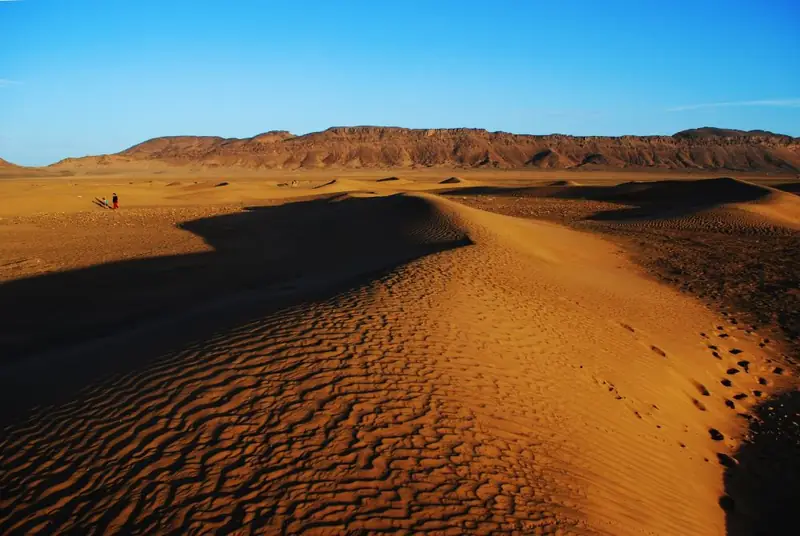
Desert nights can approach or fall below freezing, and high roads may be affected by snow. Daylight is shorter, so do not plan an evening mountain crossing after a full sightseeing day. A winter trip can be rewarding with fewer bases and generous travel buffers, but avoid assuming every hotel pool is heated or every road remains open. Festive holiday dates also interrupt the idea of universally cheap winter travel.
Morocco Month by Month: What Changes?
Use the calendar to narrow choices, not predict a week. Regional differences are large, and monthly averages hide heatwaves, storms and cold nights. A Marrakech daytime number does not apply to Fes after sunset or a tent beside dunes.
With fixed school-holiday dates, fit the route to the month rather than forcing every famous sight into it. Otherwise compare neighbouring weeks for flights and rooms, then verify your priority activity. Aim for an adaptable journey, not a month that supposedly suits everything.
- January: plan warm rooms, short daylight and snow-aware road choices.
- February: winter still applies at altitude; do not assume early blossom means clear trails.
- March: city conditions often improve, but rain and mountain snow remain possible.
- April: a useful mixed-route month, with holiday demand and changeable weather.
- May: longer days suit touring; heat can already build in the south.
- June: move exposed walks early and check whether a desert overnight still suits you.
- July: favour a slower coastal route over a packed inland circuit.
- August: coastal school-holiday demand can be high; reserve key stays early.
- September: the coast may suit well, but inland heat does not disappear on the first day.
- October: a strong all-round starting point, not a guarantee of empty cities.
- November: allow for cooler nights, northern rain and possible high-level snow.
- December: check heating, daylight and holiday pricing before committing.
When to Visit the Sahara and Cross the Atlas
October to April is a broad window for dunes and overnights, with spring and autumn often easier for balancing days and nights. Prepare for freezing winter nights; summer heat can make camps unsuitable or reduce services. Wind and sand can disrupt plans. Our Sahara tour guide compares routes and travel time.
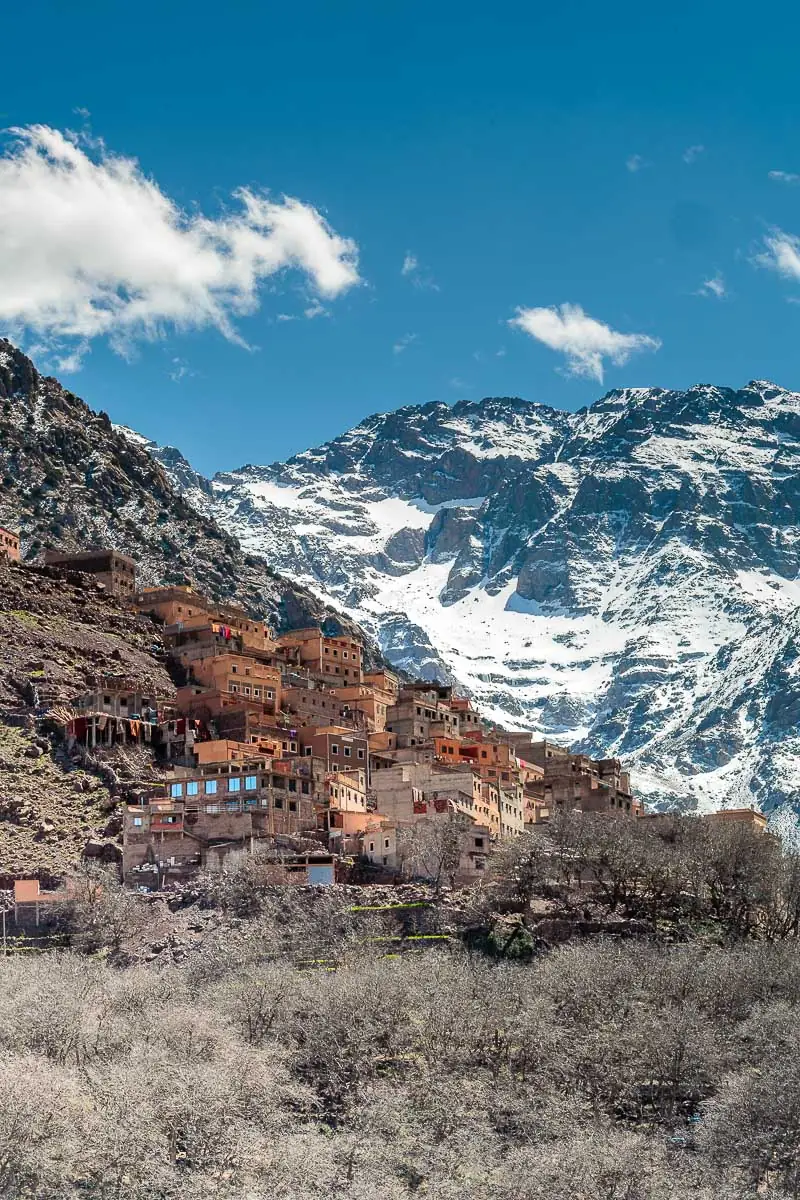
Distinguish low village walks from high summits. Snow and ice can outlast winter; clear valley skies do not establish safety. Ask a qualified local guide about your exact route, equipment, access and alternatives. Winter ascents need specialist preparation, and no fixed month range guarantees open roads.
Cities, Atlantic Coast or Northern Morocco?
Marrakech and Fes generally reward spring or autumn sightseeing, while winter allows urban visits with warmer layers and rain plans. On the Atlantic, Essaouira often trades inland heat for wind, and Agadir’s mild reputation does not mean uninterrupted beach weather. Northern places such as Tangier and Chefchaouen can be wetter in winter; choose lodging and walking plans accordingly.
If a multi-region route looks too weather-dependent, simplify it. A city plus the coast may be more enjoyable than adding both snow-prone roads and a remote camp to a short holiday. For a first visit, our seven-day route guide offers alternatives rather than assuming a single fast loop works in every season. Let the season remove stops too.
| Priority | Start comparing | Main limit |
|---|---|---|
| City walking | Spring / autumn | Heat or rain |
| Dune overnight | October–April | Night cold |
| Coastal break | Summer / early fall | Wind and swell |
| High mountains | Route-specific | Snow and access |
Ramadan, Eid and Festivals: Check the Actual Year
Ramadan moves roughly ten or eleven days earlier in the Gregorian year, with Moroccan observance confirmed locally. Do not reuse old or provisional dates. Some cafés close by day, attraction hours change and evenings become busier. Arrange meals and medication needs before excursions.
Visitors need not fast, but discretion around public eating and drinking is considerate. Ask hosts what opens and avoid tight sunset transfers. Eid affects staffing, shops and family travel; music festivals create separate demand peaks. Use our festival guide, then verify the organiser’s dates and ticket terms.
- Meals: ask which daytime options operate and carry appropriate supplies for transfers.
- Hours: reconfirm attractions and transport rather than applying their usual timetable.
- Respect: Salam alaikum greets, Shukran thanks, La shukran declines; patience helps when daily rhythms change.
When Is Morocco Cheapest, and What Should You Book?
Value comes from comparing the same itinerary on actual dates, not assuming “shoulder season” is a discount label. Away from holiday peaks, some winter city stays or less-demanded weekdays can cost less, but room heating, location and transport reliability still matter. Weigh cheaper inland summer rooms against restricted sightseeing and extra transfers.
There is no national seasonal admission rate or fixed percentage saving to quote. Ask for the full price in Moroccan dirhams (MAD), including taxes, transfers, meals and cancellation terms where relevant. Booking early can help with a particular riad or guide without requiring every meal to be scheduled. Avoid nonrefundable outdoor extras until you understand how weather changes, road closure or operator cancellation are handled.
Packing and a Practical Weather-Check Routine
Pack for your coldest night and most exposed activity. Breathable clothes, sun protection, grippy shoes and a warm layer suit many routes; mountains and winter desert nights need more preparation. Our packing guide helps keep bags manageable. Carry water and rest before fatigue in summer.
Check forecasts for each overnight stop and any pass or catchment you will cross. Morocco’s meteorological service at marocmeteo.ma publishes weather and marine vigilance information; combine that with local advice rather than treating an unavailable alert map as an all-clear. Reconfirm pickup details in local time, keep useful numbers offline and use a town-based fallback if outdoor conditions are unsuitable. Good plans adapt without losing the holiday.
- Before booking: Choose the priority activity, compare regional conditions and holidays, and check cancellation policies. Do not reserve a high route purely from a monthly climate table.
- A week before: Ask hosts or operators about current access, heating or cooling and realistic transfer times. Save reservations and meeting locations offline.
- Each morning: Check local weather and warnings, confirm the day’s hours and change outdoor plans if needed. An extra town day can be a good outcome, not a failed itinerary.
- Cash: keep small MAD notes for modest purchases; card acceptance varies. Tips are voluntary, not an automatic seasonal surcharge.
- Phone: a Maroc Telecom or Orange SIM from an authorised shop normally needs your passport; save maps and contacts offline rather than relying on reception.
- Clothing: modest, breathable layers work in towns; carry a wind layer for the coast and real warmth for cold nights.
- Booking details: verify the MAD total and what is included. No hotel, tour or attraction price is fixed by this seasonal guide.
Confirm prices for your dates. Prices may vary; always check them on site. Seasonal demand does not establish a fixed MAD tariff, euro or US-dollar equivalent, or guaranteed saving. Confirm quotes, exchange rates and booking terms before paying.
Frequently asked questions
What is the best month for a first Morocco trip?
April or October is a useful starting point for cities and the Sahara. Check your exact route, holidays and forecast; neither month guarantees mild nights or safe high mountain access.
Is July or August too hot for Morocco?
Inland cities and the southeast can be extremely hot, while the Atlantic coast is often milder. Plan a slower route, early activities and rest, and do not mistake milder air for safe swimming conditions.
Is winter a good time to visit Morocco?
Yes for many city stays if you prepare for rain, cold evenings and shorter days. Verify room heating, desert night conditions and current mountain-road access before booking a mixed itinerary.
Should I avoid Ramadan?
Not necessarily, but meals, opening hours and daily rhythms change. Confirm the year’s Moroccan dates and local arrangements, with extra flexibility around Eid and the sunset meal.
What is the cheapest time to visit Morocco?
There is no single cheap season nationwide. Compare exact dates outside holiday and event peaks, including heating or cooling, transfers and cancellation terms rather than only the room headline price.