Morocco Train Times: Routes, Tickets and the Right Station
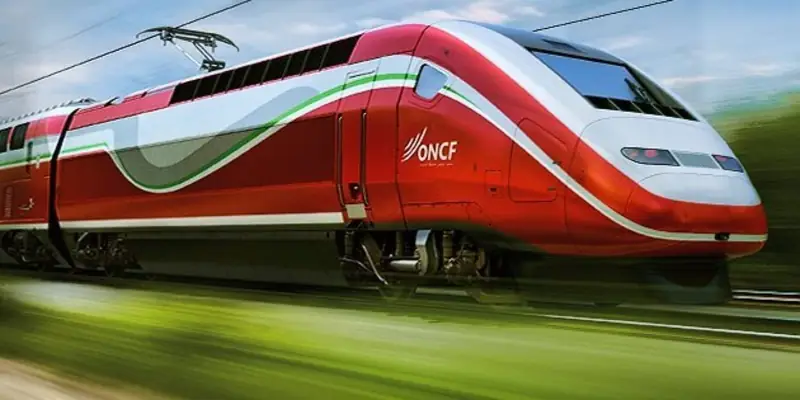
Trains are a useful choice for Morocco’s main rail corridors, but a city name alone is not enough to plan the journey. Match the station, service and travel date, then include the journey between your accommodation and the station. Al Boraq serves the Tangier to Casablanca corridor; conventional trains extend the options toward cities such as Marrakech, Meknes and Fes.
This page explains how to choose and use a train, not a guaranteed departure schedule. The local checker below uses manually maintained data covering major ONCF routes. That does not mean trains are not running. Use the official ONCF booking search for your date and keep the issued ticket and station details offline.
Plan around the station on the ticket. Casa Port is not Casa Voyageurs, and Rabat Ville is not Rabat Agdal. A cross-city transfer needs road travel time as well as time to board.
At a glance
- Operator
- ONCF
- Official booking
- oncf-voyages.ma / ONCF Voyages
- Local checker
- Manually maintained data covering major ONCF routes
- Al Boraq corridor
- Tanger Ville, Kenitra, Rabat Agdal, Casa Voyageurs
- Before boarding
- Ticket and exact station
- Connections
- Allow for delay and station transfers
In this guide
- Find a Departure for Your Travel Date
- Choose the Service Before Comparing Classes
- Check Stations in Casablanca, Rabat and Tangier
- Buy the Ticket and Understand Its Conditions
- Arrive With Time to Board, Not at Departure Time
- Plan Luggage and Assistance Around What You Can Manage
- Treat Airports and Coaches as Separate Connections
- If Plans Change, Act Before the Train Leaves
Find a Departure for Your Travel Date
Search ONCF Voyages using the exact origin, destination, date and passenger details. Inspect whether the result is direct or includes a change, and whether any segment is a coach rather than a train. Compare the complete journey, not just the fastest leg. No results can require checking the station name or date; this page’s manual dataset covers major ONCF routes.
The checker is not live seat inventory and does not sell tickets. Before paying, read departure and arrival dates, train numbers, change stations, fare and class. If travelling late in the day, establish how you will reach your accommodation after arrival. Do not build an itinerary around a timetable copied from an old image or an advertised future rail extension.
Choose the Service Before Comparing Classes
Al Boraq is the high-speed service on the Tangier to Casablanca corridor, with stations including Kenitra and Rabat Agdal. Do not assume that choosing Rabat Ville or Casa Port gives the same train. Al Atlas is the conventional intercity option for routes including Marrakech and Fes; TNR services are useful on regional corridors. Look at the actual result rather than expecting every city pair to have a direct train.
First and second class are not the same as flexible and restricted fares. Compare the comfort you want with the ticket’s exchange and refund conditions. On a long journey, a confirmed seat and a sensible departure can matter more than upgrading. Do not assume first class is always only a little more expensive or that a second-class ticket allows any departure.
| Service | Useful for | Check |
|---|---|---|
| Al Boraq | Tangier to Casablanca | Exact station |
| Al Atlas | Intercity routes | Direct or change |
| TNR | Regional journeys | Stops and fare |
Check Stations in Casablanca, Rabat and Tangier
For Casablanca, Casa Voyageurs is the key Al Boraq and intercity station; Casa Port is a different station used by regional services. For Rabat, Rabat Agdal is the Al Boraq stop, while Rabat Ville is convenient for parts of the centre when your service calls there. Confirm the station on each leg and save a map pin before arranging a taxi.
Tanger Ville is not the Tanger Med ferry port. Marrakech station is in the modern city, not inside the medina; choose a transfer suited to your accommodation, luggage and walking needs rather than assuming a taxi is compulsory for everyone. At Fes, allow onward travel to the medina. A station name is a transport destination, not a promise of a walk to your riad.
Buy the Ticket and Understand Its Conditions
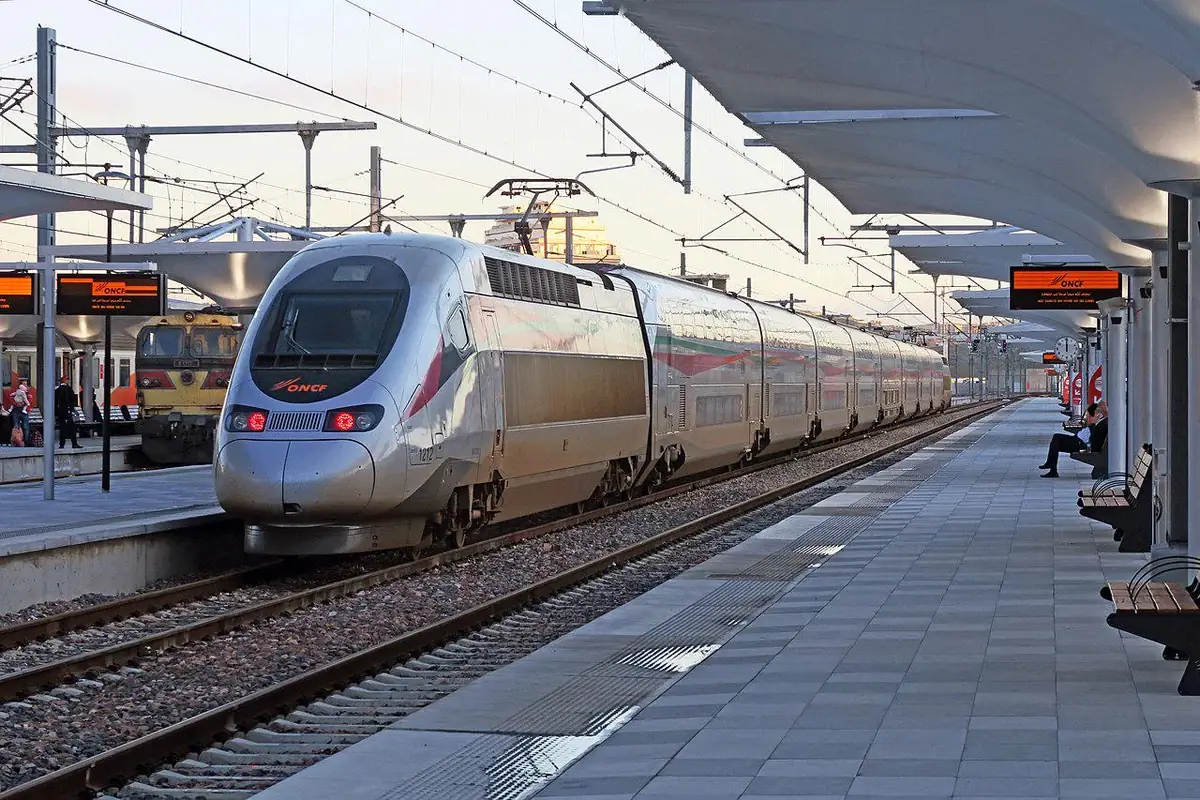
Use the official site, ONCF Voyages app or station sales channels. Reserve earlier when your preferred departure matters, especially for busy weekends and holidays; availability and price vary. Read the fare conditions before payment. Promotional prices may be non-exchangeable and non-refundable, while other fares offer different levels of flexibility. Do not assume an unused ticket can simply be used on the next train.
The ONCF conditions of sale explain tickets, boarding and after-sales rules. Check passenger names and email address, and save the actual issued e-ticket, not only a payment notification. If payment appears to succeed but no ticket arrives, check the booking and contact ONCF before paying again; do not treat a bank debit as permission to board.
Arrive With Time to Board, Not at Departure Time
As a practical margin, aim to reach an unfamiliar station about 30 minutes before departure with a ticket already issued, and earlier if buying, seeking assistance or moving with children and large bags. ONCF’s published conditions recommend at least 15 minutes for ticket holders and state that platform access closes two minutes before departure. A train still visible at the platform may already be inaccessible.
Read the departure board for train number and destination, then follow platform and carriage instructions. Use the seat and carriage shown on your ticket where assigned. Download the e-ticket PDF so its barcode works without mobile data, charge your phone and keep the original paper ticket if you bought one. ONCF accepts downloaded or printed e-tickets, but a photo of a physical ticket is not the same thing. Keep the ticket until you have left the arrival station.
Plan Luggage and Assistance Around What You Can Manage
Bring luggage you can move and stow yourself without blocking doors or aisles. Keep passport, money, medication and electronics with you, and secure larger bags where you can monitor them. Do not leave valuables in a bag simply because it fits an end-of-carriage rack. Pack water and useful snacks rather than depending on a particular onboard catering service.
For oversized items, bicycles, pets, mobility equipment or assistance, settle acceptance and arrangements with ONCF before buying; do not infer an allowance from what another traveller carried. If using a wheelchair or needing step-free access, identify both stations and the service, explain transfer and boarding needs, and allow extra time. This guide does not promise that every platform, lift or connecting vehicle is accessible.
| Need | Prepare | Do not assume |
|---|---|---|
| Ordinary bag | Manage and stow it | Valuables are secure |
| Large item | Ask ONCF first | All sizes accepted |
| Assistance | Arrange for both ends | Every lift works |
Treat Airports and Coaches as Separate Connections
For Casablanca Mohammed V Airport, search the airport station and inspect the exact interchange shown. A ticket to central Casablanca is not automatically an airport journey, and Al Boraq is not a direct airport train. Add time for disembarking, moving between platforms or stations, airport procedures and possible delays. For an important flight, reaching the departure city the previous day can be the safer plan.
For destinations beyond passenger rail, use the bus guide and getting around guide. A Supratours connection may be offered, but check whether it is included, where it departs and how luggage is handled. Do not assume separately bought train, bus or flight tickets protect a missed connection. For a desert trip, identify the actual onward town and road journey instead of searching only for “Sahara”.
If Plans Change, Act Before the Train Leaves
If you need a different departure, use the sales channel or station staff to establish the options under your ticket conditions before travel. Fare differences and restrictions can apply. For a late or cancelled train, keep the original ticket and booking records and ask ONCF for the applicable rebooking or refund procedure; do not assume the timetable checker can process a claim.
Build the day around door-to-door travel, including checkout, station access, any change and the final ride or walk. The 7-day itinerary helps avoid adding too many cities; the travel tips cover wider preparation. Before leaving your accommodation, use the checklist below so a minor phone or station problem does not become a missed departure.
- Booking: correct date, stations, passengers and fare rules.
- Ticket: issued PDF or original paper ticket, saved safely.
- Station: map pin, transfer plan and boarding margin.
- Connection: complete journey and a fallback for delays.
Frequently asked questions
Can I check departures on this page?
Yes. The local checker covers major ONCF routes. For exact times and live availability, search ONCF Voyages for your travel date and exact stations.
Does Al Boraq stop at Casa Port or Rabat Ville?
Use Casa Voyageurs and Rabat Agdal when planning Al Boraq. Casa Port and Rabat Ville are different stations; check every leg before paying.
Can I show an e-ticket on my phone?
ONCF allows downloaded e-ticket PDFs or printed e-tickets. Save the barcode offline and keep your phone charged; a photo of a physical ticket is not a replacement for the original.
Can I take the next train if I miss mine?
Do not assume so. Exchange and refund rights depend on the fare and timing. Ask ONCF about your booking rather than boarding a different service without authorization.
Can I take a direct train to the Sahara?
Plan an onward road journey for desert destinations. Check the actual town, coach or driver, departure point and connection terms rather than assuming a rail ticket covers the whole trip.