Toubkal from Imlil: Build a Trek You Can Complete and Descend
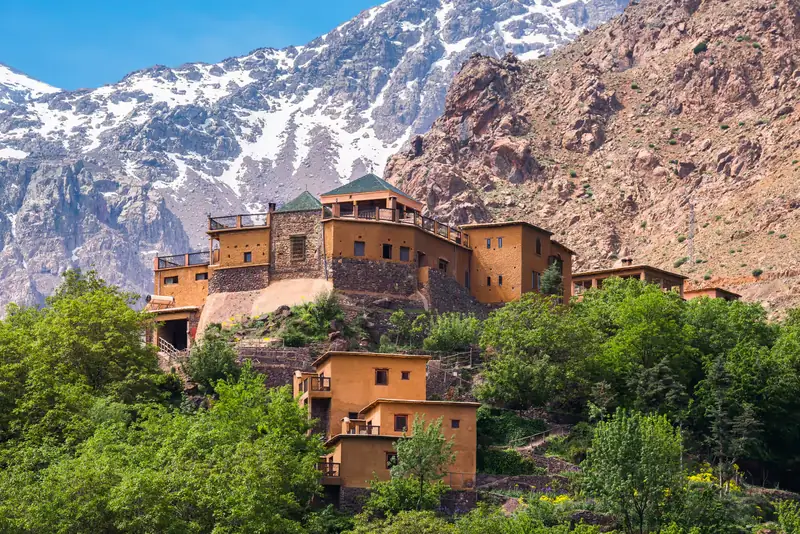
A Toubkal hike starts with a plan for the whole journey, not a promise to reach 4,167 metres within a weekend. From Imlil, the usual approach climbs to refuges around 3,200 metres before a summit attempt. That combination of rapid height gain, rough ground and a long return deserves more preparation than an ordinary city day trip.
Use this guide to compare walking stages, sleeping arrangements and the practical work before departure. A two-day package describes a product, not your acclimatisation needs. Arrange a licensed mountain guide, allow room to slow down or abandon the summit, and keep transport after the descent flexible. If you want only a day in the Atlas, a suitable lower walk is a different and worthwhile choice.
Plan backwards from a safe return. The last descent can be the longest part of the itinerary. Keep daylight, energy and transport margins instead of using a return flight or a sunrise photo to dictate the pace.
Planning essentials
- Summit
- About 4,167 metres
- Trail base
- Imlil, around 1,740 metres
- Usual high night
- Refuges around 3,200 metres
- Trip length
- Set by stages, conditions and acclimatisation
- Guiding
- Arrange a licensed mountain guide
- Season
- Actual snow and weather decide the equipment
In this guide
- Compare Stages, Not Just Two Days or Three
- Arrival in Imlil: Separate the Road from the Walk
- Licensed Guiding and a Workable Group Plan
- Acclimatisation and the Decision Not to Climb Higher
- Summit Morning and the Long Descent
- Equipment Depends on Conditions, Not the Month
- Refuge Comfort, Food and the Complete Price
- Insurance, Return Logistics and a Lower Alternative
Compare Stages, Not Just Two Days or Three
Ask what each advertised day contains. A road transfer, kit fitting and a large uphill walk are not the same as a full day available on foot. An extra day might mean a village night, a lower walk, another high night or simply a different pickup time. Compare the actual sleeping elevations and effort rather than assuming that a longer title provides gradual acclimatisation.
A common approach runs from Imlil through Aroumd and the Aït Mizane valley towards Sidi Chamharouch and the refuges. Allow roughly five to seven hours as a first planning range for that approach, not a guaranteed trail time. From around 1,740 to 3,200 metres is about 1,450 metres of ascent, before the summit adds nearly another 1,000 metres. The Mount Toubkal guide explains the mountain context.
| Stage | Main task | Do not assume |
|---|---|---|
| Village arrival | Meet, fit kit, prepare | Immediate departure |
| Refuge approach | Large uphill day | Fixed arrival time |
| Summit and return | Ascent plus descent | Guaranteed summit |
Arrival in Imlil: Separate the Road from the Walk
Marrakech to Imlil commonly takes around one and a half to two hours each way, before pickups, stops, traffic and weather delays. Arriving in the village does not mean everyone is ready to start immediately. Leave time to meet the actual guide, eat if needed, fit equipment, arrange bags and agree the walking plan. The Imlil guide helps with village access and shorter visits.
For an overnight stay, locate the vehicle drop-off and the final route to your room: a hillside guesthouse may involve stairs or a luggage carry. Clarify heating, hot water, breakfast timing and bag storage. Keep passport or identification, medicines, warm layers and water with you. Do not send essential items ahead with a luggage service that may follow a different route or timetable.
Licensed Guiding and a Workable Group Plan
Arrange a licensed mountain guide for the ascent, with the Bureau des Guides in Imlil as one organizing point. Confirm who leads, the group size, the language of safety instructions and whether the driver is a separate person. Carry identification and settle current checkpoint/document arrangements before departure. An old summer account describing unguided walkers is not a sound basis for your plan.
Agree the pace, breaks, turnaround criteria and what happens if someone needs to descend. A split group requires adequate accompaniment; an unwell visitor should not be sent down alone. Clarify how the guide communicates or summons help when reception fails. A guide cannot remove altitude risk or guarantee a summit, and hiring one does not make unsuitable winter conditions or an unrealistic itinerary appropriate.
Acclimatisation and the Decision Not to Climb Higher
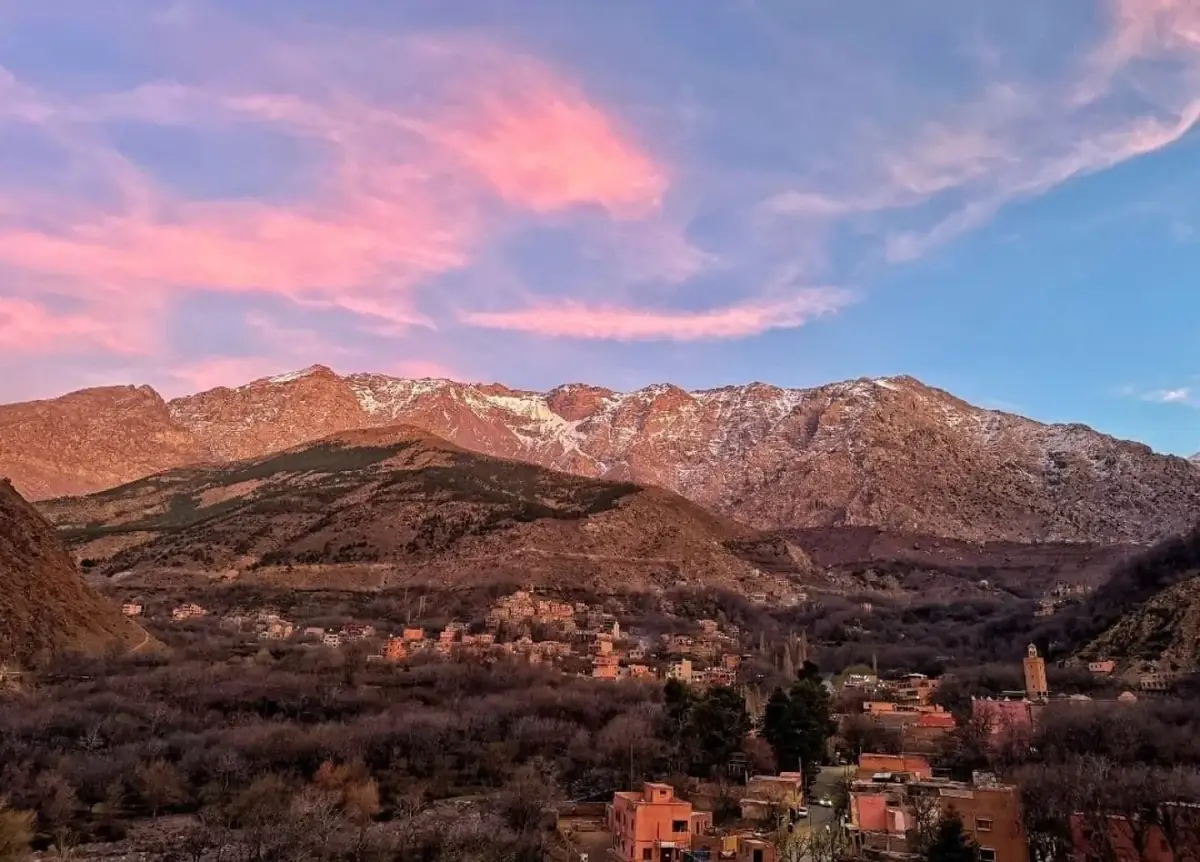
Build gradual height gain into the trip rather than treating the refuge as a compulsory bed to reach at any cost. Time in Imlil can be useful, but a single village night is not a guarantee of readiness for a high night and summit. Fitness does not prevent altitude illness. For prior altitude problems, relevant health conditions or rapid ascent, seek travel-health advice before departure.
Headache, nausea, dizziness, appetite loss and unusual fatigue must be reported early. Stop ascending while unwell; worsening symptoms, or symptoms that do not improve, call for descent and medical advice. Confusion, poor coordination or breathlessness at rest need urgent medical help and prompt assisted descent if safe. The NHS altitude guidance explains these warning signs. Do not leave a sick person alone or take symptom relief as proof that higher is now safe.
Summit Morning and the Long Descent
Summit attempts often start in darkness, so prepare the headtorch, spare power, gloves and accessible warm layers the evening before. The exact start and return times belong to the guide’s assessment of conditions, not a guaranteed sunrise schedule. Check how you feel before leaving the refuge; sleeping there does not automatically mean you should go higher.
The summit is not the end of the walking day. Returning to the refuge and then to Imlil can be a demanding sustained descent, especially on loose stone or with tired knees. Eat, drink and rest as conditions allow, keep space between walkers and follow the chosen route rather than shortcuts. Set a turnaround before time or strength runs out. Avoid a tightly booked flight, train or dinner immediately after the expected return.
Equipment Depends on Conditions, Not the Month
Dry normal-route terrain can still be steep, loose and exhausting. Snow or ice may require compatible boots, crampons, an ice axe and the skills to use them, with suitably experienced guiding. Equipment rental is not training. Do not accept “summer” or a fixed date range as a promise of no snow. Conditions can change, and shade or higher slopes may differ from the village.
Carry drinking water, food, personal medication, sun protection, warm layers and wind/rain protection, plus a headtorch and spare power. Test boot fit and any winter equipment before setting out. The packing guide covers general essentials; the technical list must suit your route. Read the forecast for Imlil and the intended elevations, not just Marrakech, and respect closures or a decision to cancel. Never cross floodwater to preserve an itinerary.
| Kit group | Examples | Planning point |
|---|---|---|
| Personal | Shoes, layers, medicines | Fit and access |
| Darkness | Headtorch, spare power | Check before bed |
| Snow and ice | Boots, crampons, axe | Skills as well as rental |
Refuge Comfort, Food and the Complete Price
Book the named refuge, dates, bed type and meals. Shared rooms, early alarms and limited washing facilities are mountain-hut realities; hot water, private space and charging should not be assumed. Carry appropriate sleeping equipment and earplugs. Arrange drinking water and snacks for the actual walking day, rather than assuming a lunch stop or a fixed daily water volume covers every person and condition.
The Luis Neltner refuge tariff lists non-member bed-only nights at €27 from May to October and €32 from November to April; breakfast is €5, lunch €10 and dinner €13 separately. These are that refuge’s posted examples, not a trek total or all-hut tariff. Compare guiding, transfers, meals, water, rental and baggage support as separate costs, including per-person versus group charging, payment and any dirham conversion.
Insurance, Return Logistics and a Lower Alternative
Your insurance should explicitly cover the planned altitude and activity, including search/rescue and medical evacuation. Save assistance contacts offline, tell someone your plan and do not assume helicopter access or reliable mobile coverage. For luggage animals, choose sound animals, reasonable loads and attentive handlers; mule support is not a guaranteed rescue or a substitute for your ability to walk the route.
Fix the return pickup point and a way to report delays using the transport guide. If time, health, experience or weather does not fit the climb, choose a lower guided village or valley walk. The Marrakech day-trip comparison helps with that choice; the Marrakech guide leaves city plans for another day. Respect homes, religious places, fields and the protected mountain environment, and bring litter back down.
- Before booking: compare daily stages, sleep heights and total cost.
- Before walking: guide, documents, weather, fitted kit and water.
- Before going higher: symptoms, turnaround and descent support.
- Before the return transfer: allow for a slower descent and road delays.
Frequently asked questions
Is a two-day Toubkal trek enough?
It is a common package format, not a guarantee of suitable acclimatisation. Choose stages and sleeping heights for your experience, health and conditions, with time to adapt.
Can I hike Toubkal without a guide in summer?
Arrange a licensed mountain guide for the ascent and identification/checkpoint arrangements before departure. Dry weather does not remove altitude, route or emergency-planning demands.
When is Toubkal guaranteed to be snow-free?
No calendar period guarantees a snow-free route. Use current conditions and a mountain forecast to choose equipment and decide whether to go.
Can I summit as a day trip from Marrakech?
Do not plan that as a normal sightseeing excursion. The summit needs separate preparation; a suitable lower Imlil walk is the better day-trip alternative.
What if I feel ill at the refuge?
Tell the guide and do not ascend while unwell. Persistent or worsening symptoms need descent and medical advice; confusion, poor coordination or breathlessness at rest require urgent help and safe assisted descent.