Morocco by Train Only: A Ten-Day Rail Route
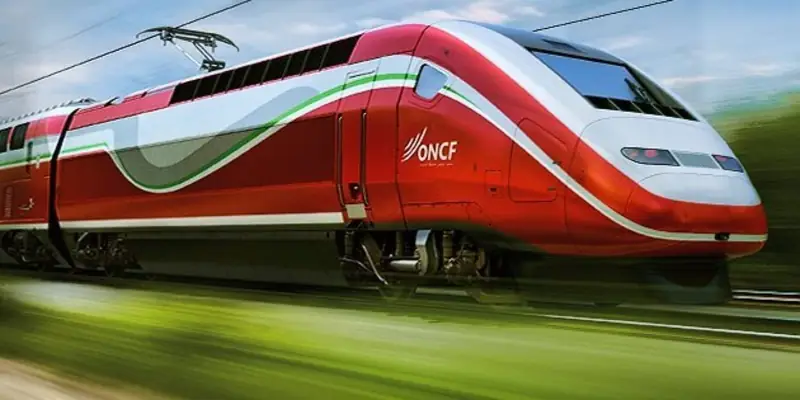
A car-free ten-day Morocco itinerary using Al Boraq and conventional trains, with booking tips, class differences, station transfers and places trains do not reach.
At a glance
- Duration
- 10 days
- Theme
- Rail travel and city culture
- Route
- Tangier → Rabat → Casablanca → Meknes → Fes → Marrakech
- Pace
- Moderate; car-free rail corridor
In this guide
- Days 1 to 2: Tangier
- Days 3 to 4: Rabat
- Day 5: Casablanca
- Day 6: Meknes
- Days 7 to 8: Fes
- Days 9 to 10: Marrakech
- Transport and booking notes
- Transfer times and realistic pacing
- Transport options
- Fast version vs. slow version
- Practical planning by stop
- Seasonal planning note
- High-speed rail, classes and what trains do not reach
Use this as a route framework, not a fixed tour. It prioritizes a workable sequence and time in each place; road conditions, opening days, transport services and weather change. Confirm each detail with the official site or operator before booking, and leave a buffer around flights.
Compare this plan with the full Morocco itinerary collection if you want a different trip length or focus.
Days 1 to 2: Tangier
Arrive by ferry or flight, see the medina and kasbah, and stay near the station only if it helps your departure. Ferry terminals vary; allow a road transfer if your ticket uses Tanger Med.
Days 3 to 4: Rabat
Take Al Boraq south and spend two nights in the capital. Use the train station printed on your ticket and plan a local transfer to your accommodation.
Day 5: Casablanca
Continue by rail, visit one central district and the Hassan II Mosque only on an official tour that fits the schedule.
Day 6: Meknes
Travel by train and explore the historic centre. Volubilis is not on the rail line; leave it out of this train-only plan rather than silently adding a road transfer.
Days 7 to 8: Fes
Take the short rail leg and spend two nights for the medina and Fes el-Jdid. The station is outside the medina, so allow a taxi or local transfer.
Days 9 to 10: Marrakech
Use the long conventional train journey as a travel day, then spend one full day in Marrakech. Fly out of Marrakech only if your flight works; otherwise travel to Casablanca the day before departure.
Transport and booking notes
- Check train services with ONCF and coach schedules with the operating company; routes and timetables can change.
- For desert camps, mountain walks and rural sites, confirm the operator, transfer, safety arrangements and what is included in writing.
- Do not assume travel-time estimates are guarantees. Add daylight, meal and rest stops, especially on mountain and desert roads.
Transfer times and realistic pacing
These are approximate planning ranges for a normal, uninterrupted journey, not door-to-door guarantees. Mountain roads, traffic, roadworks, weather, meal stops and photo breaks can add substantial time. For intercity public transport, verify the exact service and station before fixing a connection.
| Leg | Planning time |
|---|---|
| Tangier–Rabat | about 1.5 to 2 hours by Al Boraq |
| Rabat–Casablanca | about 1 hour by train |
| Casablanca–Meknes | roughly 3.5 to 4.5 hours by train |
| Meknes–Fes | roughly 40 to 60 minutes by train |
| Fes–Marrakech | roughly 6.5 to 8 hours by train |
Usable days: On this 10-day calendar plan, budget about 6 genuinely full sightseeing days after allowing for arrival, departure and the named long transfers. Late flights can recover a partial day; a full road-transfer day does not count as sightseeing.
Transport options
- Private driver: Most flexible for rural stops, luggage and custom breaks; costs more, and you should confirm licensed operator, vehicle, inclusions, driver hours and overnight plan in writing.
- Self-drive: Gives control and can work for confident drivers on paved main roads; you handle navigation, parking, fatigue, insurance, mountain conditions and camp transfers. Avoid night driving on unfamiliar rural roads.
- Train or coach: Often best value and lower-stress on served city corridors; less useful for remote valleys, medinas’ doorsteps and desert camps. Check ONCF or the coach operator for current routes, times, baggage and station/terminal location.
Fast version vs. slow version
- Fast: 9 nights, 6 bases; accept a long Fes–Marrakech rail day. Hotel changes: 5.
- Slow: 10 nights, 6 bases; add buffer time and two nights in the longer city stays. Hotel changes: 5.
Hotel changes mean packing and checking in again, not just sleeping in a different town. Count one change for every move to a new overnight base; avoid consecutive one-night stays when possible.
Practical planning by stop
- Where to stay by area:
- Tangier: Kasbah/medina for old-town walking; Ville Nouvelle or station area for easier onward connections.
- Rabat: Medina or Hassan district for sights; Agdal near rail and restaurants; confirm Rabat Ville vs Agdal station.
- Casablanca: Near Casa Voyageurs for rail transfers; central/Art Deco districts for city sights; choose by station and itinerary.
- Meknes: Near the medina and Place el-Hedim for walking; Ville Nouvelle for taxi/station access.
- Fes: Fes el-Bali for atmosphere; Ville Nouvelle for easier vehicle access and broader hotel choice.
- Marrakech: Medina for walkability and riads; Gueliz/Hivernage for easier vehicle access and modern hotels.
- What to eat along the way:
- Tangier: Try seafood, bissara and jabane (Tangier-style nougat); check seafood prices before ordering.
- Rabat: Try grilled fish, harira and chebakia; ask locally for a current neighbourhood favourite.
- Casablanca: Look for seafood, grilled sardines and bissara at a clearly priced local restaurant.
- Meknes: Try pastilla, harira and seasonal produce; use a sit-down place with a visible menu.
- Fes: Try Fassi pastilla, bissara and harira; ask about ingredients and seasonal menus.
- Marrakech: Try tanjia, pastilla and harira; seek a busy stall or restaurant with clear prices.
- What you can skip:
- Skip Tangier if... you already have limited time in the north and are not using the ferry or coastal-city connections.
- Skip Rabat if... you prefer a more active nightlife or compact medina atmosphere; Rabat is calmer and its sights are spread out.
- Skip Casablanca if... your priority is historic medinas and you have little time beyond an airport connection. Focus on the mosque only if a tour fits.
- Skip Meknes if... you are not interested in imperial architecture or nearby Volubilis; give the night to Fes or Rabat.
- Skip Fes if... dense lanes, uneven footing or an intense medina are not a good fit; choose Rabat or a coastal base instead.
- Skip Marrakech if... you are short on time and would rather spend the week in one quieter region; the medina can be busy and hot.
Seasonal planning note
Spring and autumn are usually the easiest all-round seasons along this route. Inland heat can be severe in summer, and Atlas passes and high trails can have snow or closures in winter. Desert nights are cold, coastal wind varies, and Ramadan changes daytime opening hours and meal rhythms. Check local conditions and holiday dates for your exact stops. Reconfirm transport, access, opening days and weather before booking.
Useful destination guides: Tangier · Rabat · Casablanca · Meknes · Fes · Marrakech · best time to visit · transport guide.
Skip this route if... you want a low-transfer, fully spontaneous trip, or if the itinerary’s longest travel days do not fit your comfort level. Pick one region and spend the saved time there.
High-speed rail, classes and what trains do not reach
Al Boraq is Morocco’s high-speed service on the Tangier–Kenitra–Rabat–Casablanca corridor; Fes and Marrakech use the conventional network, with longer journey times. Check current departures and fares on ONCF’s official booking site. Book ahead for holiday/weekend peaks, check the exact station on your ticket, and leave a connection buffer. First class generally offers more space and a quieter ride; second class costs less and can be perfectly adequate, but crowding and amenities vary by train. Check what your ticket includes rather than assuming the same service on every route.
Train stations are not inside the old medinas. Fes station is roughly 3 km from Bab Boujloud and Marrakech station about 3 km from Jemaa el-Fna. Rabat has Ville and Agdal stations on different sides of the city. Actual taxi/tram time depends on traffic and your medina gate; allow a separate transfer and check the station printed on the ticket. You cannot reach Chefchaouen, Merzouga’s dunes, most Atlas trailheads, Essaouira or Agadir by train alone. Combine rail with coach or local road transfers, or choose a route limited to the rail corridor.
Frequently asked questions
Does train-only Morocco reach the Sahara?
No. Merzouga, desert camps, Chefchaouen, most Atlas trailheads, Essaouira and Agadir require road/coach connections. This route intentionally leaves them out.
Does the train reach Volubilis?
No. Volubilis requires a road transfer from Meknes or Fes, so it is excluded from a strictly rail-only itinerary.