
Religion in Morocco: Islam, Tolerance & Visiting Mosques
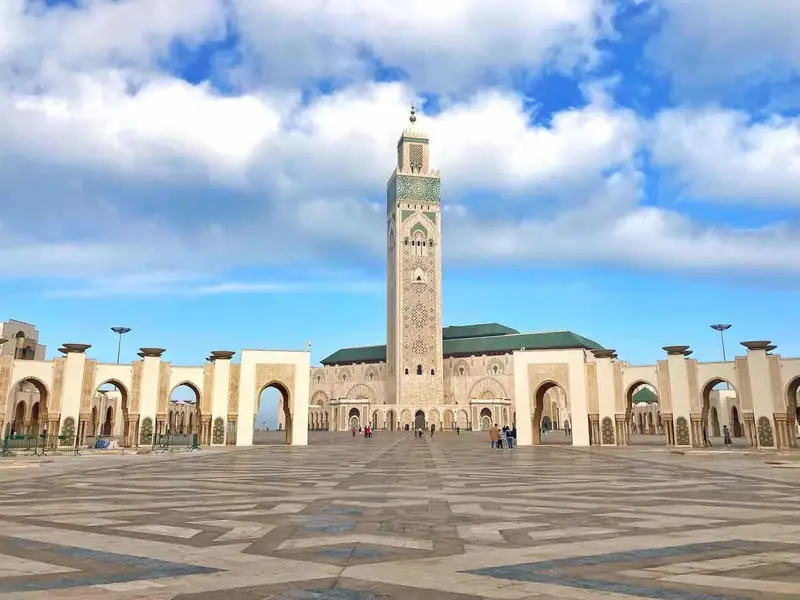
Islam is the state religion of Morocco and shapes daily rhythms, from the call to prayer to the calendar of holidays. Morocco also has a long tradition of coexistence, with a small but historic Jewish community and Christian minorities. Here is what visitors should know.
At a glance
- State religion
- Islam (Sunni, Maliki school)
- Head of religion
- The King, as Commander of the Faithful
- Mosque open to non-Muslims
- Hassan II Mosque, Casablanca (guided tours)
- Weekly prayer
- Friday midday
In this guide
Islam in Morocco
The great majority of Moroccans are Sunni Muslims following the Maliki school of law, with a moderate and often Sufi-influenced practice. The King holds the title Amir al-Mu'minin (Commander of the Faithful), and the state funds mosque administration and the training of imams. The call to prayer (adhan) sounds five times a day from minarets across the country.
Sufism and local saints
Sufi brotherhoods and the veneration of saints (marabouts) are part of Moroccan Islam. Small white-domed shrines dot the countryside, and annual gatherings called moussems combine pilgrimage, music and markets. See our festivals guide for the most visited.
Jewish heritage and other faiths
Jews lived in Morocco for more than two thousand years, and many Moroccan Jews later emigrated. The remaining community is small but visible, and Jewish quarters (mellahs) can be explored in Fes, Marrakech and Essaouira. Casablanca has the Museum of Moroccan Judaism, opened in 1997, and Fes opened a Museum of Moroccan Jewish Culture in its mellah in October 2026. There are also small Christian communities, and churches in cities such as Rabat and Casablanca.
Ramadan, Eid and the religious calendar
During Ramadan, Muslims fast from dawn to sunset. Many cafes and restaurants close or open late during the day, though tourist-oriented places stay open. The evening meal (iftar) is a festive occasion, often starting with dates and harira soup. Eid al-Fitr, marking the end of Ramadan, and Eid al-Adha are the biggest holidays. Dates move about 11 days earlier each year in the Gregorian calendar, so check them when planning; our best time to visit guide explains the impact on travel.
Visiting mosques as a non-Muslim
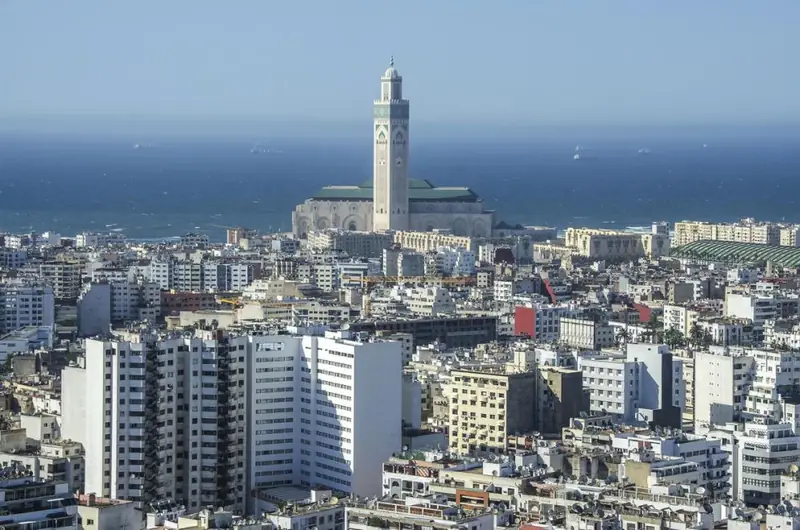
Most Moroccan mosques are closed to non-Muslims. The Hassan II Mosque in Casablanca offers guided tours, and a few historic monuments with religious origins, such as the Marinid Bou Inania Madrasa in Fes, are open as historic sites. Elsewhere you can admire exteriors and courtyards, and you can enter madrasas such as Ben Youssef and Al Attarine, which are open as historic monuments.
Respectful behaviour
- Dress modestly near religious sites and remove shoes where asked.
- Do not photograph worshippers without permission.
- Keep voices low near mosques and avoid walking in front of people praying.
- Moroccan law prohibits attempts to convert Muslims, so avoid proselytising.
Frequently asked questions
Can non-Muslims enter mosques in Morocco?
Mostly no. The Hassan II Mosque in Casablanca is the main exception, and several madrasas and historic monuments are open to all visitors.
Is Morocco a tolerant country?
Morocco has a long tradition of coexistence between Muslims, Jews and Christians, and visitors of all faiths are welcome, but public behaviour is expected to be respectful of Islamic customs.
Does Ramadan affect tourism?
Yes. Opening hours change, daytime dining options are fewer outside tourist areas and some excursions run on reduced schedules, but evenings are lively.