Is Morocco Safe? A Practical Guide for Confident Travel
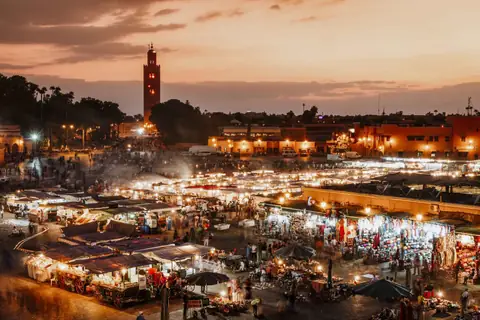
For most visitors, Morocco is a warm, welcoming and very rewarding country to explore. It welcomed a record 19.8 million tourists in 2025, and travellers return year after year for the medinas, the mountains, the food and the hospitality. Like anywhere popular, it has a few things worth knowing about: pushy sellers, petty theft, road habits and some rules that differ from home. Most of them are easy to handle once you know what to expect.
This guide is practical preparation, not a live security update. Before you book, and again before you leave, read your own government's current advice for your route.
Before you travel: Save offline copies of your accommodation's address and phone number, your insurer's emergency line, your embassy or consulate, and Morocco's emergency numbers (police 190, ambulance 150, Gendarmerie Royale 177).
At a glance
- Overall
- most trips go smoothly. The issues visitors meet are mostly small: hassle, scams, petty theft.
- Medinas
- enjoy them with a plan. Use official guides, check prices first and smile through the sales pitches.
- Evenings
- stick to lit, busy streets and take a licensed taxi from your door.
- Outdoors
- hire a professional guide for the Atlas and check the sea before you swim.
- Insurance
- get cover that includes your activities and medical care.
- Official advice
- the US currently rates Morocco Level 2, "exercise increased caution", mainly because of terrorism. The UK publishes advice for specific regions, such as the Algerian border and parts of Western Sahara.
In this guide
The short answer
Morocco is a popular destination with well-travelled tourist routes, good trains and plenty of experienced hosts and guides. Governments do advise visitors to stay alert: the US Level 2 rating covers terrorism risk, and UK advice also mentions it. That is similar to the advice for many popular destinations, and it is about being aware, not about staying away.
The settings differ, so your preparation can too. A busy medina by day, a quiet beach at night and a snowy Atlas trail are different places. Choose guides, taxis and hotels you trust, keep valuables out of sight and know who to call.
| Situation | Easy first step |
|---|---|
| Pushy seller or guide | Smile, say la, shukran and keep walking |
| Crowded souk or station | Keep your bag closed and in front |
| Quiet street after dark | Take a licensed taxi instead |
| Remote trek or beach | Go with a licensed guide or in a group |
Enjoying the medina: hassle and scams
Medinas are lively, and part of that is sales talk. Most offers of directions or a shop visit are just business. The things to watch for are pressure, unclear prices and people who discourage you from checking for yourself.
- Check independently. If someone says your riad or destination is closed, call it yourself or ask a staffed business. A friendly "no, thank you" is all you need.
- Use official guides. UK advice says unofficial guides posing as official ones are a common nuisance. Look for the official badge and agree the route, duration and fee before you start.
- Agree prices first. This goes for guides, porters, photos, henna and snacks. Check menu prices before you order.
- Skip the henna. Black henna can cause skin reactions, so choose natural henna or none.
- Keep your shopping honest. Look closely at goods before they are wrapped, to avoid a switch for lower-quality items.
Keeping belongings safe
Petty theft such as pickpocketing and bag-snatching is common in busy tourist areas, medinas and beaches, so a few habits go a long way:
- Use a closed bag that stays in front of you in crowds, and keep your phone away from the road edge.
- Leave a spare card and some cash separate from your daily wallet.
- Don't leave valuables on a cafe table or beach towel.
- Keep copies of your documents on your phone, and carry the original passport when you need it.
- Shield your PIN at ATMs and politely decline help from strangers.
- Check your map in a cafe or shop rather than while standing in a crowded lane.
Our money guide covers cash, cards and ATMs in more detail.
Evenings, solo travel and women travellers
Morocco's evenings are wonderful, from rooftop dinners to the food stalls on Jemaa el-Fna. For getting around, choose lit, busy routes and ask your host about the specific walk at that time. UK advice suggests avoiding quiet areas after dark and not carrying large sums or valuables, because occasional street crime has been reported in major cities and on beaches.
If you are arriving late in a medina, arrange for your riad to meet you at the nearest gate.
Women travelling alone usually get more attention than they are used to, mostly verbal. You can leave a conversation, move to a busier place or ask staff for help at any time. Clothing never makes harassment your fault, though loose clothes that cover shoulders and knees help many women feel more comfortable. Our solo female travel guide has more tips.
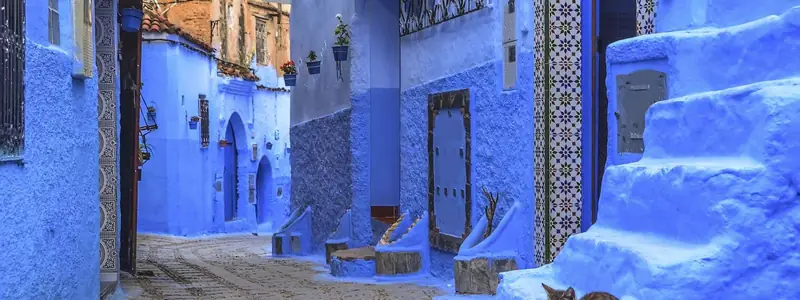
Getting around
- Trains are comfortable, reliable and easy for first-time visitors. Check our transport guide.
- Petit taxis work within city limits. Ask for the meter or agree the fare before you start. If you are uncomfortable, end the journey in a well-lit place.
- Ride-hailing apps are widely used, but UK advice notes that many app-booked cars may be unlicensed or uninsured for passengers, so use them with care.
- Driving: roads, lighting and overtaking habits can be unfamiliar. Avoid long rural drives after dark and plan realistic daily distances.
- Excursions: agree the destination, price and return before a remote trip, and book through reputable operators. For quad biking, wear a helmet and check insurance covers it. For hot air balloons, choose a licensed operator.
If a vehicle or driver does not feel safe, a licensed alternative is worth the extra cost.
Staying informed: terrorism, protests and regional checks
As with many popular destinations, official advice asks visitors to stay aware. UK advice says terrorist attacks are possible in Morocco, including in places visited by foreign nationals, and notes that authorities regularly disrupt terrorist cells. In practice this means being aware of your surroundings, following local instructions and keeping up with official alerts.
Some simple points:
- Skip political demonstrations, even peaceful ones. They can start without warning in large cities.
- Stick to official crossings. The land and sea borders between Morocco and Algeria are closed, and crossing without authorisation is illegal.
- Check your government's advice for Western Sahara before including it in your plans. The UK advises against all travel to parts of it.
- Make sure your travel insurance covers your route.
Mountains, desert, sea and weather
Morocco's outdoors are a highlight. A few habits keep it that way.
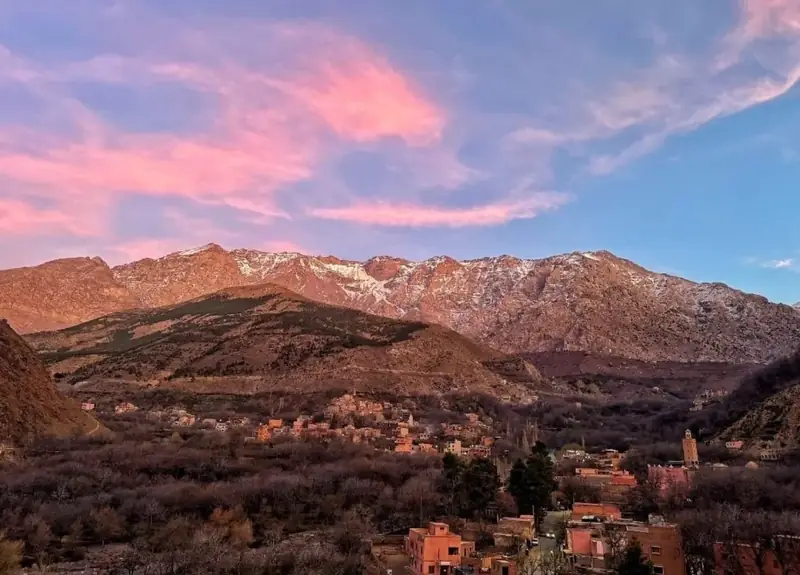
- Atlas hiking: hire a professional guide, choose a route that suits your experience, and bring water, sun protection and layers. Check insurance covers your activity and altitude. For Toubkal, see our Toubkal hike guide.
- Beaches: many beaches have little or no lifeguard cover and currents can be strong. Swim where locals and lifeguards are, and avoid isolated spots. Rivers, dams and waterfall pools can have hidden hazards too.
- Weather: heavy rain can cause flash floods in mountains and near rivers in winter. Check conditions at your actual destination before heading out, and stay out of floodwater.
- Heat: drink plenty of water, wear a hat and plan activities for mornings and evenings in summer.
- Earthquakes and wildfires: like many regions, Morocco has both risks. Read the safety notice in your accommodation and follow local instructions.
Health and food
Morocco's food is one of the best reasons to visit, and a few simple habits keep you well.
- See a travel-health professional before you go, and check routine vaccines and any regular medication.
- Choose busy food stalls and restaurants with a good turnover, and say clearly if you have allergies.
- Rabies is present, so avoid touching or feeding stray animals, including friendly-looking cats and dogs. If you are bitten or scratched, seek urgent medical advice.
- Drink alcohol only in licensed bars and restaurants. UK advice reports deaths and serious illness from methanol in some alcoholic drinks, and you cannot detect it by taste or smell.
- Get insurance that covers medical treatment and evacuation, and keep funds available in case you need to pay up front.
Good to know: laws and etiquette
A little local knowledge goes a long way.
- Drugs: Morocco has a zero-tolerance approach, including for cannabis, even if someone offers it casually in places like Chefchaouen.
- Alcohol: it is available in licensed venues, but drinking in the street is illegal.
- Public affection: keep it modest, especially near religious sites. Same-sex relations are illegal, and public affection can lead to prosecution, so LGBTQ+ travellers should read current advice and be careful with dating apps.
- Photography: ask before photographing people, especially children, and don't photograph government or military sites.
- Drones: you need permission from Morocco's civil aviation authority before flying one.
- Ramadan: the next one is expected to begin around 8 February 2027. Eating, drinking and smoking in public in the daytime can cause offence, and restaurant hours change. Evenings are festive and a wonderful time to be there.
- Everyday courtesy: salam alaikum greets, shukran thanks, and la, shukran politely declines.
For passports and visas, see our entry requirements guide.
If something goes wrong
Most problems are fixed with a phone call and a little patience. Before you travel, save these offline:
- Police: 190 from a mobile (19 from a landline)
- Ambulance: 150 (15 from a landline)
- Gendarmerie Royale: 177 (covers areas outside the cities)
- Your accommodation's address and phone number, your insurer's assistance line and your embassy or consulate
If you are in immediate danger, go to a staffed place, call local emergency services or ask someone to call for you. Safety comes before belongings, so don't resist a robbery. Afterwards, ask for a police report, keep the reference number, freeze lost cards and contact your insurer. Your consulate can help with a lost passport.
For a local SIM card, bring your passport to a Maroc Telecom or Orange shop, and keep an offline map as backup.
Frequently asked questions
Is Morocco safe for tourists?
Millions of people visit each year and most trips go smoothly. Expect some hassle, petty theft and unfamiliar roads, prepare for them, and read your government's current advice before you go.
Is it safe to walk around Marrakech or Fes at night?
Many visitors enjoy the evenings. Stick to lit, busy streets, ask your host about your route and take a licensed taxi when it is late or you are carrying luggage.
Is Morocco safe for solo women?
Many women travel Morocco alone and love it. Expect more attention than at home, choose accommodation with a staffed reception and read our solo female travel guide.
What should I do after an animal bite or scratch?
Seek urgent medical advice, since rabies is present in the region.
Where can I check current advice?
Use your government's official travel pages, such as the US State Department, UK FCDO and Government of Canada.