Economy of Morocco: Industries, Trade & Tourism
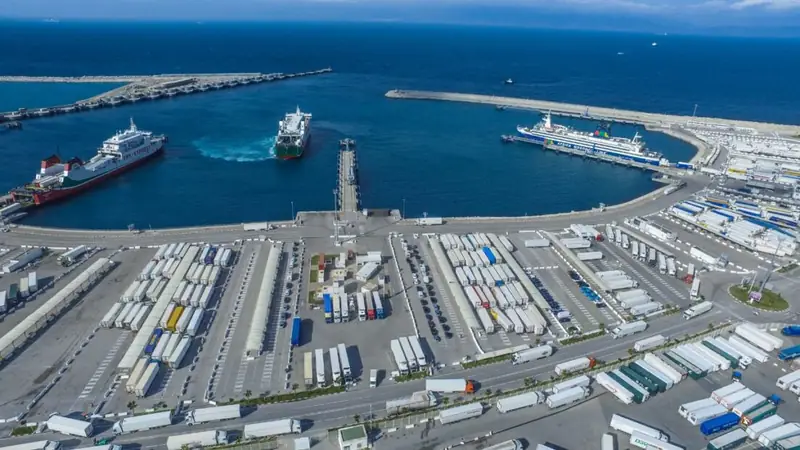
Morocco has one of the most diversified economies in Africa. It combines traditional strengths such as agriculture, phosphates and tourism with newer sectors like cars, aerospace and renewable energy. For travellers, this growth explains the modern trains, motorways and airports that make the country easy to explore.
At a glance
- Currency
- Moroccan dirham (MAD)
- Key exports
- Phosphates, cars, electronics, produce
- Largest port
- Tanger Med
- Tourism
- About 19.8 million arrivals in 2025 (official figure)
In this guide
The main sectors
- Phosphates: Morocco holds roughly 70 percent of the world's known phosphate rock reserves, and the state-owned OCP Group is a leading global producer of phosphate fertilisers.
- Agriculture: citrus, olives, tomatoes, berries and argan oil, with large exports to Europe. Farming employs a large share of the population, and drought is a growing challenge.
- Automotive: factories near Tangier and Kenitra and Casablanca make Morocco one of Africa's largest car producers and exporters.
- Aerospace and electronics: a growing cluster around Casablanca and Nouaceur.
- Textiles and crafts: long-standing industries, from Fes leather to Tangier garment factories.
Tourism
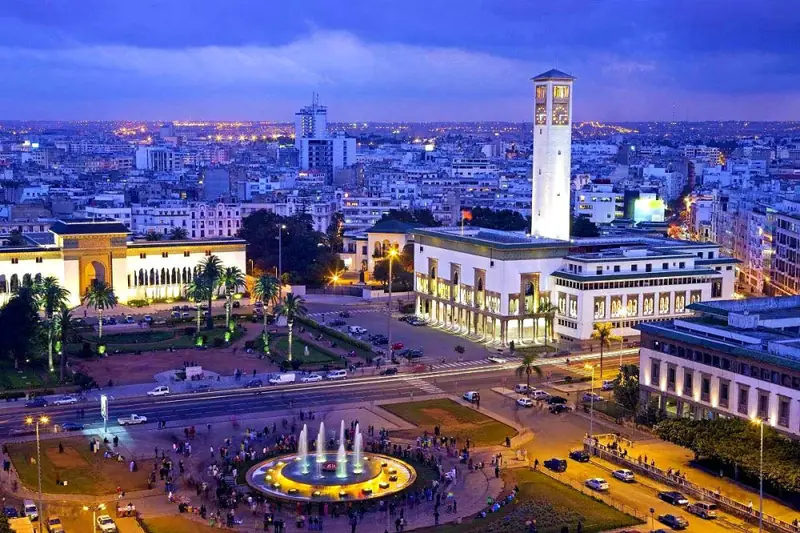
Tourism is a major source of income and foreign currency. Morocco welcomed a record number of visitors in 2024, drawn by cities such as Marrakech, Fes and Chefchaouen, by the coast near Agadir and by Sahara excursions. With the 2030 FIFA World Cup approaching, new stadiums, rail extensions and hotels are underway.
Infrastructure and trade
Tanger Med, on the Strait of Gibraltar, is Africa's largest port by container capacity and links Morocco to more than 180 ports worldwide. The Al Boraq high-speed train, launched in 2018, connects Tangier, Rabat and Casablanca, and the motorway network keeps growing. See our transport guide for how this affects your trip.
Renewable energy
Morocco has set ambitious targets for renewable power. The Noor solar complex near Ouarzazate is among the world's largest concentrated solar plants, and wind farms run along the Atlantic coast.
Challenges
Youth unemployment, regional inequality and water scarcity are major issues. The September 2023 Al Haouz earthquake in the High Atlas caused serious loss of life and damage near Marrakech, and recovery has been a national priority.
Money for travellers
The Moroccan dirham is a closed currency: you cannot normally buy it outside Morocco, and you should not take large amounts out of the country. Cards are accepted in hotels and larger restaurants, but cash is essential in souks and small towns. See Morocco travel tips for practical advice.
Frequently asked questions
What is Morocco's biggest industry?
Agriculture, phosphates, automotive manufacturing and tourism are all major contributors, with services making up the largest share of the economy.
What currency is used in Morocco?
The Moroccan dirham (MAD). Euros and dollars are widely understood for pricing but you will usually pay in dirhams.
Is Morocco a developing country?
Morocco is classed as a lower-middle-income economy, with modern infrastructure in major cities and bigger development needs in rural areas.