Tetouan Medina: A Practical Visiting Guide
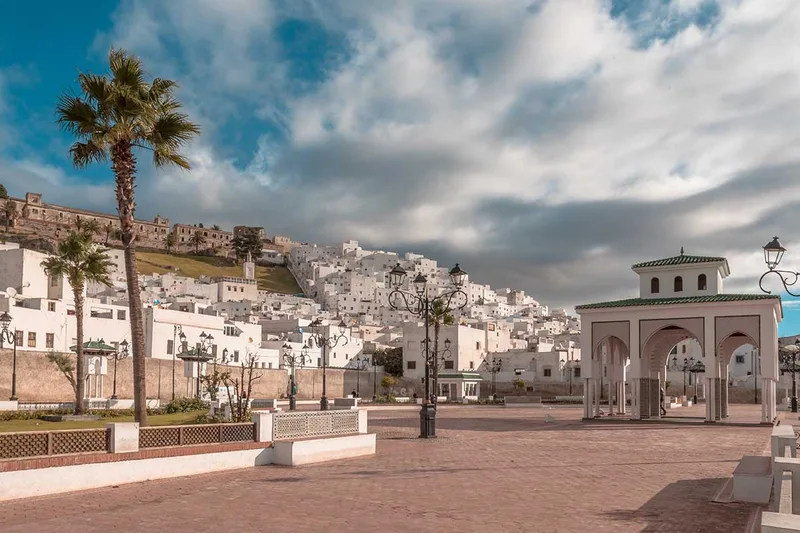
Tetouan's UNESCO-listed medina is a compact historic city of whitewashed lanes and specialist crafts. Its history is closely tied to Andalusian influences and the city's rebuilding after the 15th century. Give the old town more than a quick photo stop: a half-day provides time to walk, browse and appreciate its everyday life.
Respect this lived-in neighborhood. Check Dar Sanaa visitor access locally before planning around a visit.
At a glance
- Location
- Historic medina of Tetouan
- Status
- UNESCO World Heritage Site
- Crafts
- Embroidery, woodwork and ceramics
- Access
- Public lanes; institutional visits vary
- Timing
- Allow several hours
- Etiquette
- Ask before photographing people
In this guide
An Andalusian city in Morocco
Tetouan's medina was rebuilt from the late 15th century by Sidi Ali al-Mandri and people arriving from al-Andalus. The UNESCO World Heritage listing describes it as a particularly complete example of a Moroccan medina shaped by Andalusian influences; it was inscribed in 1997.
Its defensive walls and seven gates frame a working city of homes, workshops, mosques and markets. Look beyond the white façades for specialist crafts and the organization of lanes around neighborhood life. A traditional spring-water network known as the Skundo also forms part of this heritage. These are living surroundings, so observe quietly and ask before photographing residents.
A route through the medina
Begin near Place Hassan II and the Royal Palace exterior, then enter the lanes toward the souks and Bab el Okla. The palace is not a public tour; obey local security and photography rules. Use the gates and squares to orient yourself, and allow for detours: streets are narrow and a map may not show every passage clearly.
Craft heritage and Dar Sanaa
Tetouan is known for embroidery, woodwork, ceramics and other skilled crafts. Dar Sanaa, the traditional arts and crafts school near Bab el Okla, is a working institution rather than a guaranteed drop-in attraction. Check whether visitors are currently admitted, and never assume workshops, students or staff can be photographed. A licensed local guide may help explain the craft traditions; agree on fees and itinerary first.
Timing and etiquette
The medina is a residential neighborhood as well as a commercial center. Keep doorways clear, ask before photographing people and respect requests not to take pictures. Friday prayer times and holidays can affect shop and institutional hours. Wear comfortable shoes for uneven paving, and carry some cash for small purchases. Use the Tetouan guide for broader transport planning.
Why the medina is a World Heritage site
UNESCO inscribed Tetouan's medina in 1997 and describes a fortified urban fabric shaped by exchange with Andalusia. Its description identifies roughly five kilometres of historic walls and seven gates. Main routes link gates, squares and markets; narrower passages lead into residential areas. Avoid treating every doorway as a public attraction.
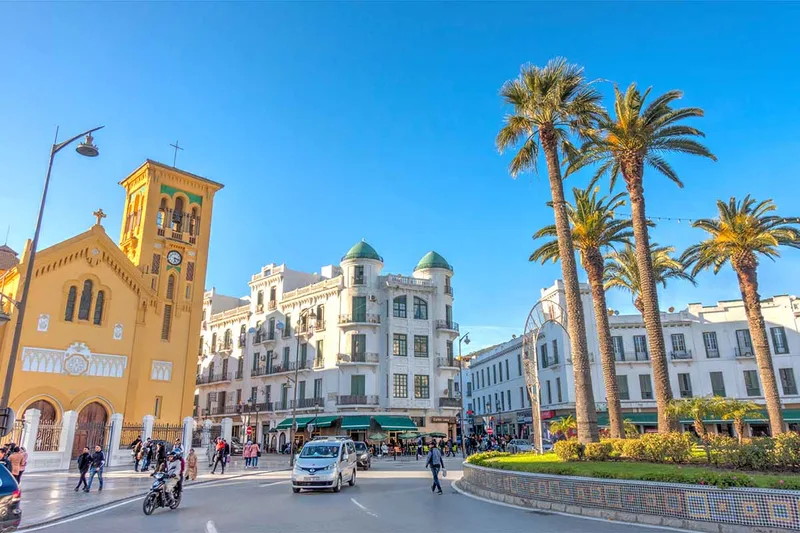
Look for differences between the winding old medina and the planned Ensanche outside it. The latter reflects a different phase of the city's development; the UNESCO inscription discussed here is specifically for the medina. A walk across the boundary helps explain the contrast without requiring entry into private buildings.
A half-day route and craft visits
Start near Place Hassan II, walk into the commercial lanes and continue toward Bab el Okla. Leave time to return by a different public route rather than trying to see every workshop. Around the gate, ask locally whether Dar Sanaa or the ethnographic museum is open; their schedules, access and fees can change, and Dar Sanaa remains a working school.
Use a licensed guide if you want help with craft history or navigation, and agree the price, length and stops first. Ask before taking close-up photographs or entering workshops, never photograph students without permission, and check the price before buying. Keep some cash and comfortable shoes for irregular paving and slopes.
Frequently asked questions
Why is the medina UNESCO-listed?
UNESCO recognizes its historic urban form and the Andalusian influence on its architecture and culture.
How long should I spend?
Allow at least a few hours; a half-day gives you time to walk and browse.
Can I visit Dar Sanaa?
Access can vary because it is a working school; ask locally before planning around a visit.
Can I enter the Royal Palace?
It is not generally open for public tours; respect the security perimeter.
Do I need a guide?
Independent exploration is possible, but a licensed local guide can add context and help with navigation.