Solo Female Travel in Morocco: Why Women Love It and How to Do It Well
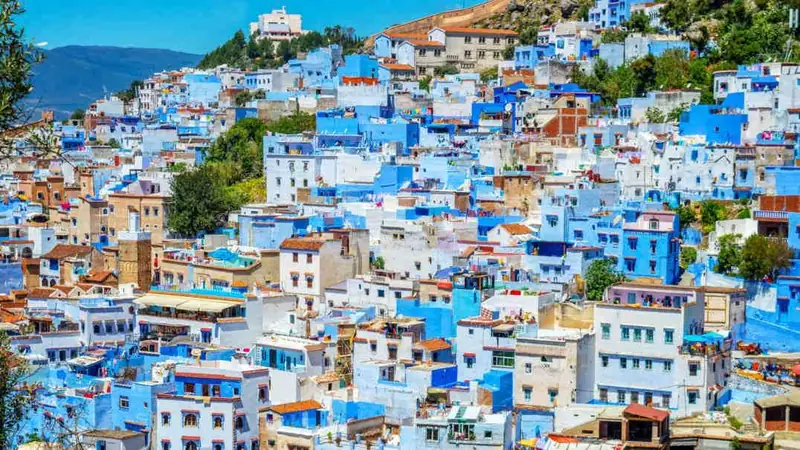
Morocco is one of the most rewarding places a woman can travel alone: blue-washed Chefchaouen, the Atlantic breezes of Essaouira, sunrise in the Sahara, mint tea with riad hosts who treat you like family, and women-only hammams where you can slow down and meet local women. Millions of people agree. Morocco welcomed a record 19.8 million visitors in 2025, according to the Ministry of Tourism.
It is also a country where women travelling alone get more attention than they may be used to. It is mostly verbal and rarely serious, and a few simple habits make it easy to handle. This guide covers both sides: why solo women love Morocco, and how to make your trip smooth.
Planning note Share your route with someone you trust, keep accommodation contacts offline and arrange late arrivals in advance. Choose activities and transport that fit your comfort level.
At a glance
- Easiest places to start
- Essaouira, Rabat, Chefchaouen, Casablanca's new town
- Great with a plan
- Marrakech and Fes (stay near the main squares, take a taxi at night, use licensed guides)
- What to wear
- loose, light clothes that cover shoulders and knees
- Phrases to learn
- la, shukran (no, thank you) and safi (enough)
- Best way to arrive
- a riad or hotel with staffed reception and a pickup arranged in advance
- Emergency numbers
- police 190 (19 from a landline), ambulance 150, Gendarmerie Royale 177
In this guide
Why women love travelling Morocco solo
- The food. Tagines, fresh orange juice, pastilla, street-side grilled sardines and endless mint tea. Eating well is easy and cheap.
- The variety. Imperial cities, a blue mountain town, surf beaches, the High Atlas and the Sahara, all reachable by comfortable trains and buses.
- The hospitality. Riad hosts often go out of their way for solo guests, from drawing a map to booking a taxi to inviting you to share breakfast.
- The hammams. Women's hammams are warm, social and one of the best ways to spend time with local women.
- The craft and colour. Zellige tiles, leather, rugs, argan oil and spices. Shopping with a smile and a firm "no, thank you" is half the fun.
- Easy company. Morocco is sociable. Small-group tours, shared hostel rooms and cooking classes make it simple to meet other travellers whenever you want company.
The honest picture
Women travelling alone in Morocco are noticed. In busy cities you may hear "hello, madame" or a comment on your appearance, and occasionally someone will walk beside you for a block. Most of this is verbal, and guidebooks and travel journalists consistently describe it as an irritation rather than a danger. Smaller towns and rural areas are often calmer than the big cities.
Official travel advice reflects this. The UK government suggests loose clothing covering arms, legs and chest, and the US State Department's Level 2 advisory ("exercise increased caution") is mainly about terrorism, not harassment, and applies to many popular destinations. Check the latest advice from your own government before you go, as it can change.
The good news: you can decide in advance how you will react, and then it barely slows you down.
Habits that make a difference
- Dress for the context. Loose trousers or long skirts and tops that cover your shoulders. It reduces attention rather than removing it, and many women find they feel more relaxed and blend in better. A light scarf is handy for sun, dust and wind.
- Keep your answer short. A calm la, shukran and carrying on works better than a long reply. If someone persists, a firmer safi usually does it.
- Walk like you know where you are going. Check your map before you leave a cafe, not in the middle of an alley. Download offline maps and save your accommodation's address and phone number on your phone.
- Wear sunglasses. They make it easier to avoid eye contact in the busiest spots.
- Enjoy hospitality, notice agendas. Real kindness is everywhere. If a stranger attaches himself to you and the conversation is heading toward a shop or a "cousin's" place, a friendly no, thank you is enough.
- Get a local SIM or eSIM. Having data for maps, messages and taxi apps is a real comfort.
- Tell someone your plan. Share your route and accommodation with a friend or family member.
Where it is easier
Essaouira is relaxed, walkable and breezy, a favourite first stop for solo women. Rabat and the new town of Casablanca feel like everyday cities. Chefchaouen is gentler than the imperial cities, though you may be offered cannabis. Marrakech and Fes are wonderful and intense in equal measure: stay near the main squares, take a taxi at night, and book licensed guides for your first medina walk.
Where to stay
For an easy first night, choose accommodation with a staffed reception, a lockable room and a clear pickup plan from the taxi drop-off point. Finding a riad in a medina alone after dark is not fun, so ask your host to meet you at the nearest gate or send someone to walk you in. Some hostels have female-only dorms.
Getting around
- Trains are comfortable, reliable and ideal for solo travellers. Sit in a compartment with other women or families if you like.
- Buses are fine, and local women often sit next to each other, so you can do the same.
- Petit taxis work within city limits and should use the meter. Agree nothing in advance, and if the meter is "broken", ask to get out and flag another taxi.
- Grand taxis are shared for longer routes. You can pay for an extra seat if you want the front to yourself.
- Ride-hailing apps. Apps such as inDrive, Careem and Uber operate in the main cities. They sit in a legal grey area and taxi drivers can be hostile to them, so ask your driver to pick you up a short walk from taxi ranks and stations.
- At night, use a taxi from your door instead of a long walk.
Tours, the desert and the mountains
A small-group desert tour gives you company and a shared daily schedule, which many solo women love. With a private driver, share the departure point, overnight stops and return plan with someone you trust. At camp, look for a lockable sleeping space, private bathrooms and a named staff contact.
If you want to hike in the High Atlas, go with a licensed mountain guide. Lonely Planet describes a guide as compulsory in Toubkal National Park, and you can book one through the Bureau des Guides in Imlil. A guide also handles the paths, weather and refuges for you.
If you want a first medina walk with a licensed guide, agree the meeting point, language, duration, total fee and any shop stops before you start. Monument admission is usually separate.
Hammams and mosques
Women's hammams are relaxed, friendly spaces and one of the best things to do in Morocco. Traditional hammams have separate hours or separate sections for women and men. Ask your riad which one locals use, and check our hammam guide for what to expect.
Most mosques in Morocco are closed to non-Muslims. The big exception is the Hassan II Mosque in Casablanca, which you can visit on a guided tour outside prayer times. Cover your shoulders and knees, and expect to remove your shoes. Check the official Hassan II Mosque Foundation website for current tour times and prices.
Ramadan
Ramadan 2027 is expected to begin around 8 February and end around 9 March, depending on the moon sighting. It is a lovely time to see Moroccan life, with evening iftar meals and a festive atmosphere after sunset, but the day runs differently. Many cafes and restaurants serve less during the day, and opening hours shift. Eat discreetly in public during the day and plan sightseeing for the morning and evening.
If someone does not leave you alone
In most cases, a firm "la" or "safi" and walking on is enough. If not, step into a shop or cafe, because in the medina locals often step in to help. Tourist police are available in the main cities. If you feel unsafe, get in a taxi and leave.
Save these numbers before you arrive:
- Police: 190 from a mobile (19 from a landline)
- Gendarmerie Royale: 177 (outside the cities)
- Ambulance: 150
- Your embassy: save the number for your embassy in Rabat or your nearest consulate
Frequently asked questions
Is Morocco safe for solo female travellers?
Many women travel Morocco alone and have a great time. Expect more attention than at home, mostly verbal, dress modestly and avoid empty alleys at night. Check your government's travel advice before you go.
What should a woman wear in Morocco?
Loose, lightweight clothes that cover shoulders and knees. A scarf is useful for sun, wind and dust.
Should I hire a guide as a solo woman?
A licensed guide can make a first medina walk easier by explaining routes and landmarks. Agree the meeting point, duration, total fee and any shop stops beforehand. A guide is required for Toubkal treks.
What is the best city for a first solo trip?
Essaouira, Rabat and Chefchaouen are popular starting points.
Can I travel during Ramadan?
Yes. Plan around shorter daytime opening hours and enjoy the evenings.