Moroccan Hammam Guide: What to Expect on Your First Visit
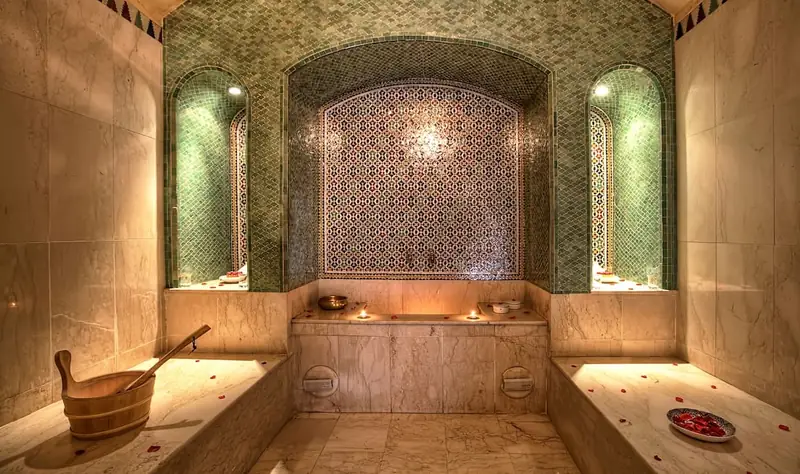
A Moroccan hammam is a heated place for washing, often with black soap, rinsing and an optional scrub. Choose a neighbourhood bath if you are comfortable sharing space and bringing supplies; choose a spa if you want a clearly booked treatment and more explanation. Neither choice guarantees privacy, gentle pressure or every product included, so ask before paying.
The useful questions are practical: who will share the room, what should you wear, who performs the scrub and can you skip it? A hammam is part of Moroccan bathing culture, not a test of how much heat or friction you can tolerate. This guide helps you arrange a visit that respects other bathers and your own boundaries.
Agree on comfort before changing. Confirm coverage, room sharing, products, price and a clear stop signal while communication is easy at reception. You may decline a scrub, a product or any unwanted touch, and leave if the arrangement is not suitable.
At a glance
- Choose
- Shared bath or booked spa
- Time
- Allow changing and rest too
- Clothing
- Confirm the venue’s rules
- Scrub
- Optional, pressure agreed
- Phone
- Keep it out of bathing areas
- Heat
- No endurance target
In this guide
- Public hammam or spa: choose the arrangements you need
- Before booking: get a clear price and treatment description
- What to wear: modesty, coverage and consent
- What to bring: pack for the actual venue
- A typical sequence, without a fixed heat timetable
- Heat and skin: when to postpone or ask a clinician
- Privacy and hygiene in shared bathing rooms
- Where to look: Marrakech, Fes and Casablanca
- Plan a calm return rather than another endurance activity
Public hammam or spa: choose the arrangements you need
A neighbourhood hammam is primarily a place to wash and socialise. You may bathe independently or pay an attendant separately. Facilities are often communal, with men’s and women’s sections or different sessions. A hotel or riad spa may offer a private or shared treatment room, but private booking can still mean an attendant stays with you throughout.
Ask what private means: exclusive changing room, exclusive bathing room, or simply a timed appointment? Couples should request an explicitly available joint session rather than arriving at a public bath expecting mixed bathing. If you have concerns about gendered access or attendant assignment, discuss them discreetly with management before booking; do not rely on a generic online description.
| Choice | Likely setup | Ask first |
|---|---|---|
| Local bath | Shared washing space | Session, kit, attendant fee |
| Spa | Booked treatment | Room sharing, inclusions |
| Private session | Exclusive use if agreed | Changing, staff, coverage |
Choose a hammam that explains the treatment order, changing arrangements and who performs the scrub. A shared neighbourhood bath and a private spa session offer different levels of privacy and assistance; price alone does not tell you which will suit you.
Before booking: get a clear price and treatment description
Ask for a total in Moroccan dirhams, with entrance, scrub, soap, towel, clay, massage and any transfer itemised. A low entry fee may only cover use of the bathing rooms.
Reserve enough room in the day to change and recover without rushing to a train. An appointment may occupy around one to two hours including these steps, depending on the package, but that is not a recommended time in the heat. Confirm actual treatment length and do not let a prepaid duration pressure you to stay hot.
Ask about cancellation, late arrival, payment method and whether a service charge is included. An attendant’s agreed fee is not the same as a tip. Tips can recognise good service, but there is no single mandatory national percentage; decide without accepting pressure or paying twice for an included service. Keep the written booking and enough small notes for the agreed charges.
What to wear: modesty, coverage and consent
Bring bathing bottoms or spare underwear and ask what additional coverage is allowed. Men commonly keep bottoms on; in women’s sessions upper-body coverage varies. You do not need to copy another bather’s level of undress. A spa may supply disposable underwear or a wrap, but neither the size nor the coverage should be assumed.
Explain what you want kept covered and which areas must not be scrubbed before entering. If moving clothing is proposed, staff should ask rather than treat the booking as permission for any touch. You may keep more coverage, decline a step or choose another venue if their procedure does not match your comfort.
Agree on a clear word or gesture for stop and ask staff to demonstrate understanding. Do not depend on a memorised phrase that might be misheard through running water. A firm scrub is not a reason to tolerate pain or intimate contact you have not agreed to. If your request is ignored, stop the treatment and seek reception or assistance.
What to bring: pack for the actual venue
| Item | Why bring it |
|---|---|
| Clean towel | Drying; confirm rental |
| Non-slip sandals | Wet-floor walking |
| Dry underwear | Bathing pair gets wet |
| Personal products | Check soap and mitt supply |
| Water | Drink in the permitted area |
| Small cash | Agreed fees and optional tip |
For a public bath, ask whether you need black soap, a kessa mitt, shampoo, a small bowl or bucket and a sitting mat. Supplies can be sold, hired or supplied, but not everywhere. Your accommodation can help assemble the kit before you leave. Keep dry clothes in a separate bag so everything does not get damp together.
For a spa, check towels, footwear, toiletries and a secure place for belongings instead of assuming all are included. Bring only essentials and leave valuables at your accommodation where practical.
Remove jewellery and ask how glasses or hearing devices can be kept safe. If you need assistance, arrange it beforehand rather than finding the changing room unusable. Ask about your size and coverage requirements without apologising for needing a workable arrangement.
A typical sequence, without a fixed heat timetable
At reception, confirm the booking, explain sensitivities and locate changing, storage and the exit. Staff should explain which spaces are shared and where to wait. Enter the warmer area gradually and rinse as instructed. You do not need to choose the hottest room or follow somebody else’s time in it.
Savon beldi, often called black soap, is a soft soap associated with olive-based ingredients. It may be applied before rinsing and the scrub. Formulas differ; natural does not mean fragrance-free or non-allergenic. Keep products away from your eyes and tell staff if you do not want your face or hair treated.
A kessa is the textured mitt used for mechanical exfoliation. An attendant may work in sections, rinsing between steps; you can ask for less pressure or no scrub. Ghassoul, also spelled rhassoul, is clay sometimes offered as a mask or wrap. Massage and oil are separate additions unless the package says otherwise. The order and products vary.
After washing and a final rinse, dry, dress and spend time in a cooler area before leaving. A simple wash without aggressive exfoliation is a valid visit. The visible material from a scrub is not proof that toxins have been removed or that stronger rubbing is healthier.
Heat and skin: when to postpone or ask a clinician
A hammam is not a medical treatment or a detox programme. If you are pregnant, have heart or blood-pressure problems, fainting episodes, breathing difficulties or another relevant condition, ask your clinician about heat exposure before booking. Staff can describe the room but cannot provide medical clearance. Pregnancy brings concerns about overheating, dehydration and fainting; consider a non-heated alternative.
Skip exfoliation on sunburned skin or open cuts and wounds. If your skin is inflamed, you have an active skin condition or use treatments that increase sensitivity, ask a qualified clinician before a scrub. Recent waxing, shaving or cosmetic procedures can leave skin sensitive; do not invent a fixed waiting period for everyone. Postpone rather than trying to scrub through discomfort.
If you feel dizzy, faint, nauseated, unusually short of breath or unwell, stop and ask for help moving to a cooler place. Do not stand suddenly or continue because a session was prepaid. Persistent or severe symptoms need prompt medical help, not another rinse. Hydration is sensible but does not make excessive heat safe.
Wet floors need slow steps and footwear suited to the surface. Test water temperature before it is poured on you and ask for cooler water immediately if necessary. Avoid a visit when already unwell, dehydrated or affected by alcohol. There is no universal safe steam-room duration that a travel guide can prescribe for every person.
Privacy and hygiene in shared bathing rooms
Keep phones and cameras outside changing and bathing spaces, even if you only want a selfie or an empty-room picture. Other people may enter or appear in reflections. Do not stare at bathers or treat a working neighbourhood bath as a cultural performance to record. Respect both quiet and ordinary conversation without assuming every room is a silent spa.
Ask how towels, mitts, buckets and washing surfaces are cleaned between users. Use your own clean mitt if preferred and do not share personal grooming tools. Rinse your sitting area and equipment as instructed, keep belongings out of passageways and do not monopolise water or fill other people’s containers.
If facilities or communication make you uneasy, you can leave before treatment. Do not attend with a potentially contagious condition without appropriate medical advice and venue guidance. No reputable guide can certify a bath’s day-to-day hygiene from photographs. Look for staff willing to answer concrete questions rather than promise universal cleanliness.
Where to look: Marrakech, Fes and Casablanca
Marrakech and Fes offer neighbourhood baths and visitor-oriented spas. For a first visit, an explained package with towels, a clear treatment length and a named changing arrangement is easier to navigate than an undefined scrub. Shared washing rooms are different from private treatment rooms; choose the level of privacy you want and agree a comfortable scrub pressure before it starts.
The Hassan II Mosque Foundation describes functioning hammams for Moroccan and international customers at the Casablanca complex. They are not merely architectural rooms closed to bathing. The foundation page lists separate men’s and women’s facilities and bathing services. A mosque sightseeing ticket should not be assumed to include a hammam treatment, pool access or the same entrance.
As checked on 20 November 2026, the foundation page lists basic adult Bains Maures entry at 50 MAD and the seawater bathing option at 150 MAD, with other treatments separately described. These are published reference prices, not a live availability guarantee; the page says prices can change without notice. Ask for today’s total, what it includes, pool availability and current opening before travelling.
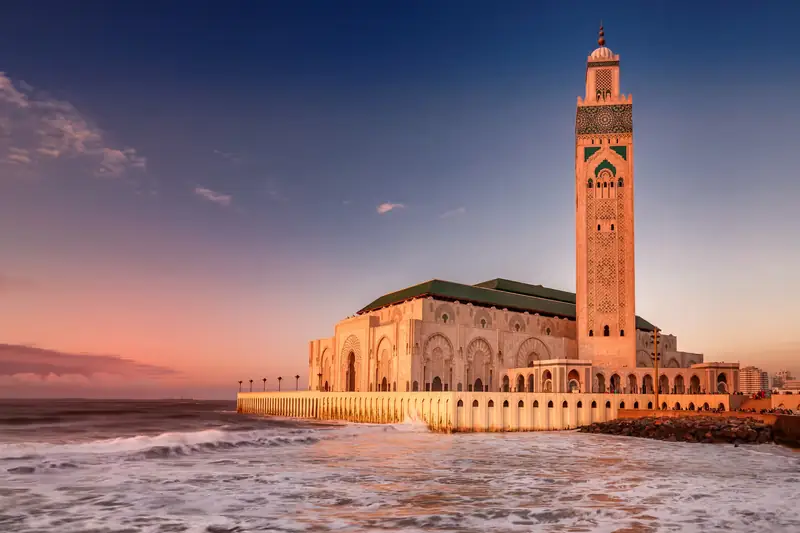
Use the Hassan II Mosque guide for the monument visit, not as a substitute for a bath booking. The architecture guide explains tadelakt and tilework.
Plan a calm return rather than another endurance activity
Choose a slot near your accommodation if possible, with an easy way back and no immediate long transfer. Leave a buffer for changing, payment and a quiet pause. A long day in the sun followed by a hot session is not automatically a good recovery plan. You can move the visit to another day or choose a less heated service.
If you are travelling with children, ask the bath about minimum age, supervision, products and any separate sessions. Do not apply an adult package or heat schedule to a child. Travellers needing step-free access should ask about the actual entrance, benches, washing position and changing facilities; accessible marketing is not a detailed plan for every need.
The Morocco travel tips cover the broader trip, while Moroccan culture adds social context. The best hammam choice is the one you understand and can comfortably decline or adapt.
Frequently asked questions
What should I wear in a Moroccan hammam?
Bring bathing bottoms or spare underwear and confirm the venue’s coverage rules. Additional coverage varies; you do not have to copy another bather. Ask what is supplied and agree boundaries before changing.
Is a public bath or spa better for a first visit?
Choose by arrangements, not labels. A spa may explain a booked treatment more clearly, while a public bath can suit independent washing. Confirm shared rooms, supplies, staff and total price.
Does a hammam scrub have to hurt?
No. You may request less pressure, skip exfoliation or stop. Pain and unwanted touch are not things you need to accept as part of local culture.
Can you bathe at the Hassan II Mosque complex?
The foundation describes hammams serving Moroccan and international customers. Confirm current operation, treatments and entrance separately; do not assume a mosque-tour ticket includes bathing.
Can I visit if pregnant or with sensitive skin?
Ask your clinician about your circumstances before heat exposure. Do not exfoliate sunburned skin or open wounds; discuss skin conditions and sensitivity before any scrub. A non-heated or no-scrub alternative may be preferable.